

The Japan you can’t find in English search. One person, bilingual, booking ryokan by phone in Japanese — the quiet inn, the right hour, the trip you remember.
Joined May 2017
- Tweets1.3K
- Following900
- Followers945
- Likes3.8K

If you come across a jun-kissa, step inside. You may find a corner of everyday Japan where English is of no use at all.

Fancy limited express sneaks up on you, Google Maps cheerfully shows ¥200, signs are easy to miss, and suddenly you’re stuck with a ¥720 reserved-seat trap and no time to fix it. If locals can still get caught, tourists who don’t read Japanese are basically playing on hard mode. These little disasters are basically the default.
Traveling with Japan Holiday Concierge makes the huge difference: not a panic call after you’ve already boarded the wrong train, but someone who quietly tells you the small but crucial details before you make the mistake. Safer, smoother, and far more comfortable.


Yotsuya Station has new staff -- they are goats.
If you exit toward Akasaka and glance down at the grassy slope, you may spot two white goats quietly at work. One is Nagi, a one-year-old male; the other is Pokke, a two-year-old female.
Since early October, JR East has put them on duty as an eco-friendly weeding team—the first time this has been tried inside the Yamanote Line, and it began as a station staff idea.
They munch, pause, munch again, unbothered by the trains. Commuters slow down, smile, and take photos. It’s a small, unexpected softness in the middle of the city.
@JREast_official there’s something endearing about your culture — that you can just go ahead and hire goats.
Their posting lasts only until the weeds are gone (or December, whichever comes first). If you’re near Yotsuya Station, look down and say hello while you still can.
xitter.cf/JREast_official/status…


Those who have visited the Nakasendo know the name Nakatsugawa. Well, that’s my hometown, where I grew up

𝗝𝗮𝗽𝗮𝗻 𝗛𝗼𝗹𝗶𝗱𝗮𝘆 𝗖𝗼𝗻𝗰𝗶𝗲𝗿𝗴𝗲 retweeted
Ishiyama-dera as the ‘I need a break from Kyoto Higashiyama’ option is a strong move. The Murasaki Shikibu moon-over-the-lake detail alone makes the detour worth it—hard to beat a place that inspired the Tale of Genji and still has the maples to back it up.


If you're in Kyoto for the fall foliage but getting tired of the crowds, head east to Ishiyama-dera in Shiga Prefecture. No promises that you'll have the place to yourself, but it's a far cry from the madness over in Higashiyama.
That relative calm comes with serious history too. Ishiyama-dera traces its origins to 747, when Emperor Shomu is said to have ordered the monk Roben to pray for the gold needed to complete Todai-ji's Great Buddha.
As for the “Stone Mountain” in its name, that comes from the rare wollastonite formation rising through the grounds. Above it stands the Main Hall, which is designated a National Treasure and dates in part to 1096. Nearby is a two-story pagoda from 1194, the oldest surviving dated example of its kind in Japan.
Then there is the Murasaki Shikibu connection. Temple tradition holds that she stayed here for seven days in 1004, and that the sight of the full moon reflected across Lake Biwa sparked the idea for The Tale of Genji and prompted her to begin writing.
With roughly 2,000 maples covering the hillside in autumn, is it any wonder she chose this place to start?


If you're staying in Kyoto and feel like venturing a little further, Kameoka is one of my favourite places to escape the crowds.
And beyond Kameoka, an easy, pleasant drive through open countryside takes you to Tamba-Sasayama — another little gem that most international visitors have never heard of.
These country towns have become popular with Japanese people looking for a different pace of life, and there's a quiet but noticeable energy about them.
Small independent shops, restaurants you'd never find in an English-language guidebook, old farmhouse cafés serving organic food, serious little coffee roasters, and even second-hand kimono shops. You could easily spend a whole day wandering around.
One small catch: opening hours can be rather unpredictable. Some places seem to operate entirely on their own terms. A little homework before setting off is highly recommended. They are also not commercialised as much as those businesses in Kyoto.
But then, that's part of the charm of rural Japan. Not everything runs to a tourist's timetable.


Luxury travel, to me, is the kind of trip where you come away with real happiness — and a few quiet moments of clarity.
If Japan gave you any of those, feel free to share the photos. Curious what those moments looked like for you.

Planning your own journey? You don’t have to navigate every unexpected moment alone.
Japan Holiday Concierge offers on-call travel support when a little local knowledge or Japanese-language assistance can make all the difference for independent travellers who have arranged their own Japan itinerary.
Whether it’s a delayed train, a misunderstanding, or a situation where you need someone to speak Japanese on your behalf, I’m here to help you find a way forward.
This service is designed for occasional assistance with unexpected situations, rather than extended interpretation or ongoing travel management.
Support is available from 8 am to 7 pm Japan time, subject to availability. Emergency assistance outside these hours may be arranged separately.
Simply send me your itinerary, and I’ll prepare a personalised quote. The minimum booking period and scope of support will be determined individually, based on your travel plans and the assistance you may need.
Not every Japan trip needs temples and ticking lists.
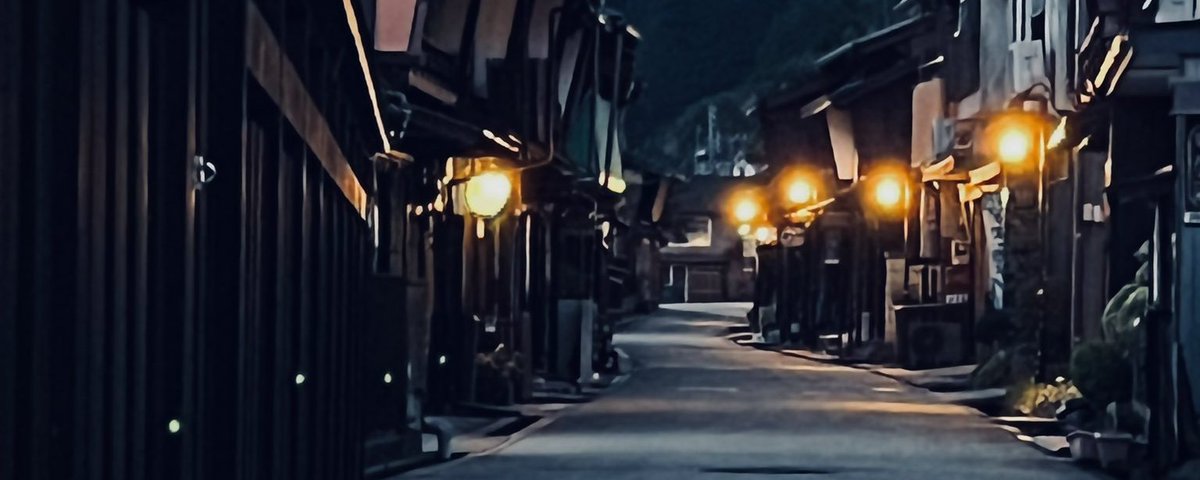
Sometimes the whole point is a cold night, a narrow alley, steam hitting your face, and a bowl you eat standing next to someone in a suit who just got off work.
This is the Japan ramen people dream about and then accidentally skip — because it looks too ordinary until you’re in it.
Come for the bowls. Stay for the lanterns, the posters on the wood, the quiet after the first sip.
That’s the trip.
#Ramen #TokyoNights #JapanTravel
Ishiyama-dera as the ‘I need a break from Kyoto Higashiyama’ option is a strong move. The Murasaki Shikibu moon-over-the-lake detail alone makes the detour worth it—hard to beat a place that inspired the Tale of Genji and still has the maples to back it up.
If you're in Kyoto for the fall foliage but getting tired of the crowds, head east to Ishiyama-dera in Shiga Prefecture. No promises that you'll have the place to yourself, but it's a far cry from the madness over in Higashiyama.
That relative calm comes with serious history too. Ishiyama-dera traces its origins to 747, when Emperor Shomu is said to have ordered the monk Roben to pray for the gold needed to complete Todai-ji's Great Buddha.
As for the “Stone Mountain” in its name, that comes from the rare wollastonite formation rising through the grounds. Above it stands the Main Hall, which is designated a National Treasure and dates in part to 1096. Nearby is a two-story pagoda from 1194, the oldest surviving dated example of its kind in Japan.
Then there is the Murasaki Shikibu connection. Temple tradition holds that she stayed here for seven days in 1004, and that the sight of the full moon reflected across Lake Biwa sparked the idea for The Tale of Genji and prompted her to begin writing.
With roughly 2,000 maples covering the hillside in autumn, is it any wonder she chose this place to start?
𝗝𝗮𝗽𝗮𝗻 𝗛𝗼𝗹𝗶𝗱𝗮𝘆 𝗖𝗼𝗻𝗰𝗶𝗲𝗿𝗴𝗲 retweeted

🇯🇵Man. These textiles are next level. If beauty interests you then this is your tweet.
D.
🗽
@Budrip1007

A Nishijin workshop in Kyoto is quietly rewriting what traditional weaving can be.
“Kyoto Nishijin Ori Mori-san” weaves fabric for hina dolls and ceremonial costumes, but uses polyester in a way that keeps the price approachable and the cloth easy to work with—while still delivering the density and precision Nishijin is known for.
Traditional patterns sit alongside newer designs. The result is small, wearable pieces—goshuincho covers, coasters, pouches—that feel both precise and light in the hand. They also have a shop in Gion. If you’re interested in how a 500-year-old weaving district adapts without losing its character, this is worth a closer look.
𝗝𝗮𝗽𝗮𝗻 𝗛𝗼𝗹𝗶𝗱𝗮𝘆 𝗖𝗼𝗻𝗰𝗶𝗲𝗿𝗴𝗲 retweeted
Yeah, it’s one of those things that makes a bigger difference than people expect. The on-call piece is surprisingly affordable too, and you don’t need a full itinerary—plenty of travelers just use it for the live help when they need it. xitter.cf/JapanHoliday/status/21…
𝗝𝗮𝗽𝗮𝗻 𝗛𝗼𝗹𝗶𝗱𝗮𝘆 𝗖𝗼𝗻𝗰𝗶𝗲𝗿𝗴𝗲 retweeted
Japan really said ‘urban autumn’ and then just casually put a temple in the middle of peak foliage. Unfair.
A Nishijin workshop in Kyoto is quietly rewriting what traditional weaving can be.
“Kyoto Nishijin Ori Mori-san” weaves fabric for hina dolls and ceremonial costumes, but uses polyester in a way that keeps the price approachable and the cloth easy to work with—while still delivering the density and precision Nishijin is known for.
Traditional patterns sit alongside newer designs. The result is small, wearable pieces—goshuincho covers, coasters, pouches—that feel both precise and light in the hand. They also have a shop in Gion. If you’re interested in how a 500-year-old weaving district adapts without losing its character, this is worth a closer look.
𝗝𝗮𝗽𝗮𝗻 𝗛𝗼𝗹𝗶𝗱𝗮𝘆 𝗖𝗼𝗻𝗰𝗶𝗲𝗿𝗴𝗲 retweeted
A fascinating and important question. The useful question isn’t what AI can do. It’s what still has to be done by a person once the work has moved — the judgment, the timing, the part that doesn’t show up in the output. That’s the piece most organizations skip.
As AI becomes increasingly capable, the deeper challenge isn't simply how we adapt to it, but which distinctly human qualities we choose to cultivate.
I'm particularly curious about Michelle Vitus's perspective. How did the discussion unfold? Were there any insights that challenged your assumptions or stayed with you?
𝗝𝗮𝗽𝗮𝗻 𝗛𝗼𝗹𝗶𝗱𝗮𝘆 𝗖𝗼𝗻𝗰𝗶𝗲𝗿𝗴𝗲 retweeted
Only a few get that pace. I know a woman who sailed from America to Australia with her husband. Night, she was half asleep. Something made her open her eyes, and she noticed that a freighter was already close. She turned the helm and cleared it. The bay is quiet. The open water is not.
𝗝𝗮𝗽𝗮𝗻 𝗛𝗼𝗹𝗶𝗱𝗮𝘆 𝗖𝗼𝗻𝗰𝗶𝗲𝗿𝗴𝗲 retweeted
Fair point. Thirteen years is long enough for the pendulum to swing hard—and it has. Locals quietly accumulating resentment is real in some places, and pretending otherwise doesn’t help anyone. At the same time, every shift carries both sides. The COVID era reminded a lot of us that it’s wiser to look at the whole picture and just keep moving; time doesn’t pause for the perfect balance. History has a habit of repeating the cycle anyway. In Japan too, there are areas locals themselves prefer to avoid, depending on the region and the moment. Knowing that properly is half the work. That’s why the planning starts with which places still feel right to take people to—not which ones are simply open for business.