




Pinned Tweet
🧵- History of Somali spice merchants and their trade with Mediterranean world.
1. The first mention of the Horn of Africa by Greco-Romans was the Somali region which they referred to it as “Regio Cinnamonifera”
They named the region after cinnamon which shows how significant Somalis were in the spice trade during the Classical antiquity period.
- time period (3rd Century BCE)


1. Stop running around with secondary orientalist sources you find on google books. Let’s take look at (reality)
2. Harari’s aren’t even merchants you’re peasant farmer who relied on Somali merchants for goods - Harari quote “"He who commands at Berbera holds the beard of Harar in his hand”.
3. Somalis controlled all Caravan routes going into interior to any city. We made the trading profits while you were bum begging us. The real merchant class.
4. Nobody recognized your Galla emir as anything but nugget head who got strangled by Egyptians and ran to Somalis for help when Abyssinians slaughtered his people and took his city.
5. Harari emirs married into Somalis for reason without that connection Somalis could enslaved that peanut head and take tribute from him.


unavailable
nitter.gq/aromatamerchant/status… - read this thread debunking the Bantu “Swahili” narrative
unavailable
Sultan Mahmud ll coastal home in Bargaal built in the 1700s.
The home has interior and exterior designs. The door was designed and installed in year (1815) it has inscriptions on the door which reads -
“"La llaha illallaah Muhammad rassul Allah, Mashallah, on the date of Rabi ul Awal 1230 AH”


When (Mongol 🇲🇳) spies were imprisoned on the Somali coast 🇸🇴
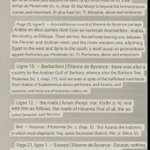
Famous 13th century Venetian explorer Marco Polo talks about Mogadishu which he referred to as (Madagascar).
He says (Kingdom of Mogadishu) was governed by 4 sheikhs then he goes on to say it’s “one of the noblest and greatest islands in the world”. Also many ships from around the world come to (Mogadishu) to trade the locals importing goods such as (silk cloth, gold, etc).
Marco Polo also mentions (Kublai Khan), the Mongol king and grandson of (Genghis Khan), who “sent spies to obtain information about the country”. These spies were captured and imprisoned, and upon their release, they shared the “many great wonders of these strange islands”.
Later on, during (Yuan dynasty), the (Kingdom of Mogadishu) would go on to establish trade relations with the Mongol empire The (fourth photo) displayed below shows a pottery set from the (Yuan Dynasty) found in (Mogadishu) from this historical period
(3rd photo) is medieval painting of Mogadishu which he referred to as (Madagascar) based on Marco Polo writings.


(Imru' al-Qais 6th century) - Imru' al-Qais is considered to be the best pre-Islamic Arabian poet.
In 6th century he wrote two poems that mentions Somalis (Barbars)
(1st poem) about Somali horses 🐎 -
“On each short tail horse trained to night Trips for mail, strong Barbary horses Lean as swift gada wolves that you see With the sweat dripping from the sides”
Which two Maghribi - Al-Andalus scholars commented on -
Ibn Sa'id al-Maghribi 13th century - “(Qa'idat al Barabar) the capital of the berbers, which Imru' al-Qais described the slaves and horses who are considered really good”
Ibn Khaldun 15th century - “country of Berbers which Imru' al-Qais mentioned in his poem. These Berbers do not belong to the Berbers who make up the tribes in the Maghreb”
(2nd poem) details how his father (Hujr al-Kindi) who was the King of the (Kingdom of Kinda) in the 5th-6th century used Somali (Barbar) soldiers in battles against Yemeni bedouins -
“my father in the fort of Kindah as a master who would rule over multitudes of armies and barbars (Somali) He will attack the Bedouins of the Yemens”


Throughout history Somali leopard skin was considered the best in the world 🌍
(al-Jāḥiẓ 9th century) -
“The best leopard skins are from Berbera (Somalia coast) spotted with bright white and deep black, with long spots like a starling”
Now he talks about quality of Somali leopard skin compared to those of India 🇮🇳 & North Africa - “The leopards of Berbera are small; one skin barely covers a single saddle. The highest price of a skin is fifty dinars. The North African and Indian skins are wider and bigger, but they do not fetch high prices and are not of good quality”.
The Indian & North African leopard skin aren’t as good quality as the ones from the Somalia coast and do not fetch high prices like the ones from the Somalia coast.
(Ibn al-Faqih 10th century) - Ibn al-Faqih describes If one had not travelled abroad the kings would not have gathered “The panther (leopard) skins of Berberia (Somalia coast)”
3rd picture - (Chinese Tang dynasty 唐朝 9th century) - depiction of Somali elder wearing leopard skin being carried
4th picture - (Top) late 1960s New York newspaper showing Somali leopard skin coat selling for “$16,000”.
(Bottom) - 1970 text showing Somali leopard skin were still the most demanded and best leopard skin in the world.


Son of Gash retweeted

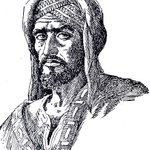
The first image shows the closest modern populations to the 16-year-old merchant/auxiliary.
Second is a depiction of the inhabitants of Regio Cinnamafore (coastal Northern Somalia) based on the writings of Strabo in the 1st century BC.
Third is a reconstruction of Viminacium.


(1872) description of Murcanyo.
Murcanyo was the capital of the Bari sultanate.
Governor of Murcanyo was Cismaan
Samatar.
“The town extends nearly half a mile along the beach”
“contains upwards of two hundred houses, about a quarter of which are built of sun-dried bricks (stone) and the remainder of matting”
“The largest and most conspicuous building is the sultans situated at the back of the town it’s several stories High” (Sultans Palace in Murcanyo)
“there are several others also of the same style and almost as large” (forts surrounding the coast of Murcanyo & interior)
“There are three mosque all whitewashed”
“the town also boasts a school, attended by thirty boys, who learn to read and write Arabic”
“The permanent population of the town is only some six or seven hundred”
Murcanyo population grows during trading season.
1st photo - Fort in Murcanyo (1882)
2nd photo - Murcanyo mountain range located south of Murcanyo (1882)


Murcanyo foreign trade description (1872)
Nur Cismaan the uncle of the sultan administrated all trade in coastal towns taking the monopoly on trade from Arab/Indian merchants.
the sultanate then acquired 40 large merchant ships each capable of carrying 100 tons or more. the ships were divided throughout the sultanates port cities and local merchants.
The sultanate trade with Aden, Yemen 🇾🇪 accounted for 5% of the city's total imports, valued at 500,000 British Rupees per year equivalent to £60 million today.
Sultanate traded in -
(Al Mukallā 🇾🇪), (Sheher, al-Shiḥr ? 🇾🇪), (Aden 🇾🇪), (Swahili coast 🇰🇪🇹🇿), (Jeddah 🇸🇦), (Mumbai 🇮🇳) (Salalah 🇴🇲), (Ras Al Khaimah 🇦🇪), (Hormozgan, Iran 🇮🇷)
Exports - (Frankincense, Gum Arabic, Indigo, Mats, spices, Firewood, lumber, plaster, pearls, shark fin, butter, honey, skins, livestock, ostrich feathers)
Imports - (cotton, cloths silk etc.., dates, rice, spices, produce, metals, firearms, cannons, petroleum)
Frankincense export numbers in (1843) example -
India 🇮🇳 - 377 tons
Red Sea - 235 tons
Arabia - 120 tons
Total = 732 tons


Letter from Sultan Cismaan Mahmud (1922)
To the ruler of Ras Al Khaimah 🇦🇪 addressing the murder of Somali merchant from the sultanate accidentally killed in the conflict with Umm Al Quwain.
Sultan Cismaan :
“Do you pay the man's blood money, or do we kill a man from Ras Al Khaimah?"


Son of Gash retweeted

#Myth The Muslim kingdom in the Horn of Africa were never a tributary to Abyssinia
This myth was propped up in the 21st century by Ethiopian writers, however European French writers have debunked this claim of “ a Muslim Kingdom in the Horn of Africa being a tributary to Abyssinia”
French European writers, write the following
“𝙄𝙩 𝙞𝙨 𝙙𝙞𝙛𝙛𝙞𝙘𝙪𝙡𝙩 𝙩𝙤 𝙖𝙨𝙨𝙚𝙧𝙩 𝙩𝙝𝙖𝙩 𝙩𝙝𝙞𝙨 𝙝𝙮𝙢𝙣 𝙞𝙨 𝙩𝙝𝙚 𝙤𝙡𝙙𝙚𝙨𝙩 𝙨𝙤𝙪𝙧𝙘𝙚 𝙪𝙨𝙞𝙣𝙜 𝙩𝙝𝙚 𝙚𝙩𝙝𝙣𝙤𝙣𝙮𝙢 𝙎𝙤𝙢𝙖𝙡𝙞 𝙄𝙛 𝙩𝙝𝙞𝙨 𝙝𝙮𝙢𝙣 𝙖𝙘𝙩𝙪𝙖𝙡𝙡𝙮 𝙧𝙚𝙛𝙚𝙧𝙨 𝙩𝙤 𝙩𝙝𝙚 𝙨𝙞𝙩𝙪𝙖𝙩𝙞𝙤𝙣 𝙞𝙣 𝙀𝙩𝙝𝙞𝙤𝙥𝙞𝙖 𝙪𝙣𝙙𝙚𝙧 𝙩𝙝𝙚 𝙧𝙚𝙞𝙜𝙣 𝙤𝙛 𝙩𝙝𝙞𝙨 𝙠𝙞𝙣𝙜 𝙖𝙩 𝙩𝙝𝙚 𝙗𝙚𝙜𝙞𝙣𝙣𝙞𝙣𝙜 𝙤𝙛 𝙩𝙝𝙚 15𝙩𝙝 𝙘𝙚𝙣𝙩𝙪𝙧𝙮, 𝙩𝙝𝙞𝙨 𝙢𝙚𝙣𝙩𝙞𝙤𝙣 𝙞𝙨 𝙞𝙢𝙥𝙤𝙧𝙩𝙖𝙣𝙩. 𝙄𝙣𝙙𝙚𝙚𝙙, 𝙩𝙝𝙞𝙨 𝙝𝙮𝙢𝙣 𝙜𝙞𝙫𝙚𝙨 𝙖 𝙡𝙞𝙨𝙩 𝙤𝙛 𝙙𝙞𝙨𝙩𝙧𝙞𝙘𝙩𝙨 𝙥𝙖𝙮𝙞𝙣𝙜 𝙩𝙧𝙞𝙗𝙪𝙩𝙚 𝙩𝙤 𝙩𝙝𝙚 𝘾𝙝𝙧𝙞𝙨𝙩𝙞𝙖𝙣 𝙠𝙞𝙣𝙜. 𝙃𝙚 𝙙𝙚𝙨𝙘𝙧𝙞𝙗𝙚𝙨 𝙩𝙝𝙚 𝙣𝙖𝙩𝙪𝙧𝙚 𝙤𝙛 𝙩𝙝𝙚𝙨𝙚 𝙩𝙧𝙞𝙗𝙪𝙩𝙚𝙨. 𝙏𝙝𝙚 𝙙𝙞𝙨𝙩𝙧𝙞𝙘𝙩 𝙤𝙛 "𝙨𝙪𝙢𝙖𝙡𝙚" 𝙬𝙤𝙪𝙡𝙙 𝙩𝙝𝙚𝙧𝙚𝙛𝙤𝙧𝙚 𝙝𝙖𝙫𝙚 𝙗𝙚𝙚𝙣 𝙩𝙧𝙞𝙗𝙪𝙩𝙖𝙧𝙮 𝙩𝙤 𝙩𝙝𝙚 𝘾𝙝𝙧𝙞𝙨𝙩𝙞𝙖𝙣 𝙠𝙞𝙣𝙜 𝙖𝙩 𝙩𝙝𝙚 𝙗𝙚𝙜𝙞𝙣𝙣𝙞𝙣𝙜 𝙤𝙛 𝙩𝙝𝙚 15𝙩𝙝 𝙘𝙚𝙣𝙩𝙪𝙧𝙮, 𝙞𝙣 𝙩𝙝𝙚 𝙨𝙖𝙢𝙚 𝙬𝙖𝙮 𝙖𝙨 𝘼𝙙𝙖𝙡 𝙬𝙝𝙞𝙘𝙝 𝙞𝙨 𝙘𝙞𝙩𝙚𝙙 𝙖𝙨 𝙥𝙖𝙮𝙞𝙣𝙜 𝙖𝙣 𝙚𝙦𝙪𝙞𝙫𝙖𝙡𝙚𝙣𝙩 𝙩𝙧𝙞𝙗𝙪𝙩𝙚. 𝙏𝙝𝙞𝙨 𝙞𝙨 𝙪𝙣𝙡𝙞𝙠𝙚𝙡𝙮 𝙩𝙤 𝙝𝙖𝙫𝙚 𝙗𝙚𝙚𝙣 𝙩𝙝𝙚 𝙘𝙖𝙨𝙚. 𝘼𝙙𝙖𝙡 𝙬𝙖𝙨 𝙣𝙤𝙩 𝙙𝙚𝙥𝙚𝙣𝙙𝙚𝙣𝙩 𝙤𝙣 𝙩𝙝𝙚 𝘾𝙝𝙧𝙞𝙨𝙩𝙞𝙖𝙣 𝙠𝙞𝙣𝙜𝙙𝙤𝙢 𝙞𝙣 𝙩𝙝𝙚 15𝙩𝙝 𝙘𝙚𝙣𝙩𝙪𝙧𝙮, 𝙖𝙣𝙙 𝙩𝙝𝙚 𝙞𝙣𝙨𝙩𝙖𝙡𝙡𝙖𝙩𝙞𝙤𝙣 𝙤𝙛 𝙩𝙝𝙚 𝙙𝙚𝙨𝙘𝙚𝙣𝙙𝙖𝙣𝙩𝙨 𝙤𝙛 𝙎𝙪𝙡𝙩𝙖𝙣 𝙎𝙖'𝙖𝙙 𝙖𝙙-𝙙𝙞𝙣 𝙞𝙣 𝙩𝙝𝙚 𝙧𝙚𝙜𝙞𝙤𝙣 𝙬𝙖𝙨 𝙛𝙖𝙫𝙤𝙧𝙚𝙙.”


Li Shi Chinese author from 12th century
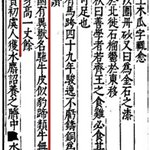
the oldest mention of Giraffes from Africa in Chinese literature is on the Somalia coast in 12th century.
This is the 4th oldest & the most detailed descriptions of giraffes in Chinese literature.
The first mention of giraffes in Chinese literature is by Chinese author Bai Juyi in 9th century (wasn’t as detailed)


Archeological research from one site “Xiis” northern somalia town which in the ancient period wasn’t one of the main city states but was a small trading town.
An abundance of artifacts was found there from around the world coming from France, Italy, turkey, Arabia, Persian gulf Mesopotamia, Syria, Cyprus, Egypt, India, Sudan.
1. Chart showing where the artifacts came from.
2. perfume jug & glass plate with masks of Bacchus from Alexandria, Egypt (1st Century AD).
3. Young Somali girl buried with Roman Jar (2nd Century AD)


This Roman East African grave was most likely a Somali merchant.
1. Genetically his paternal & maternal Haplogroup is common amongst Somalis. Also his genetic sample is most closest to modern day Somalis.
2. He was connected with Nabataeans spices merchants through Indian Ocean and he came through that route.
3. It seems like he was too young to be an auxiliary as he was only 16 so it’s unlikely he was an auxiliary.
4. During the Classical antiquity it was traditionally practice amongst Somalis to buried a merchant of wealth with goods.
Similar to the Roman period Somali girl buried in Xiis with artifacts.
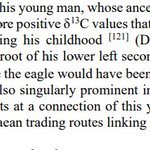
this Roman East African kid was buried with unique artifacts which is unique and outlier in the Serbian grave site because he’s the person buried with these artifacts.
Artifacts include (Oil lamp depicting a Jupiter eagle)


