






Pinned Tweet
Well, quite the day.
Nice round up from our @Toffeebdm

Well, that was certainly a day.
But perhaps some perspective for short termists…
Gold is currently down harder than Bitcoin on the day.
Silver is currently down harder again than either of those.
The FTSE All Share Index and the Small Cap Index as a whole were both down on the day.
On the FTSE All Share Index’s Daily Fallers List, Smarter Web came in at 9th place… By comparison, Trad-fi banking giant RBS fell harder still, the 4th highest faller of the day.
Strive fell harder than SWC.
Strategy fell marginally harder than SWC.
In the context of the pref shares, MORE fell harder than either of STRC or SATA, but then again, MORE had a more favourable apparent ratio of buys to sells than both by the end of the day.
What does this all mean?
Probably not too much.
Markets will be markets on any given day.
I think all the leading BTCtc’s will all be just fine in the long run.
These days are here to test conviction.
Still here. Have a cracking weekend.


SWC-Wiki retweeted

Great graphic in the post below from @Michaeljdobbin on the current position with Smarter Web’s MORE preference share, trading at just over £80 per share today,
In another scenario, this might have been the IPO launch price (Strive for example IPO’s SATA down at $80 versus its $100 par price.)
Now we get the opportunity to see how interest in MORE grows from this level, with the higher effective yield that entry at this point gives investors.
Volume on the buy side bodes well for starters 👀🇬🇧


SWC-Wiki retweeted

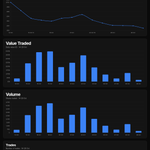
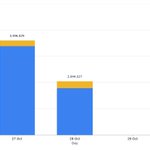
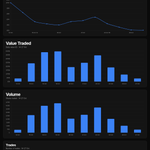
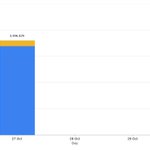
$MORE Day 13: traded 3,582 shares worth £298,000 today, equal to 3.2% of shares issued.
Daily average this week: 1,573 shares / £136,000.
Closing mid price was £81.00. It was a tough day for price, but it's good to see volume picking up.
Onwards.
LSE: #SWC #MORE | OTCQB: $TSWCF | FRA: $3M8


SWC-Wiki retweeted

EARLY BIRD TICKETS - FINAL CHANCE
Early bird pricing for the Bitcoin Treasuries Conference UK 2027 ends tomorrow, Saturday 31 October.
If you want to hear how companies are putting Bitcoin on the balance sheet, and meet the investors, executives and thought leaders doing it, now is the time to lock in your place at the lowest price.
Once tomorrow's gone, so is the early bird rate. Link in comments.
LSE: #SWC #MORE | OTCQB: $TSWCF | FRA: $3M8

SWC-Wiki retweeted

One of the largest crypto exchanges gets hacked for $6 billion and bitcoin sold off less than 5%?
Bullish.
"Smarter Web keeps these arrangements under regular review"

The news overnight about the Binance hack is concerning for everyone, but we'd like to confirm Smarter Web has not been impacted.
We have relationships with five institutional-grade custodians: Fidelity, Coinbase, Kraken, Anchorage and Xapo, and allocate our Bitcoin between them as our needs require.
Smarter Web keeps these arrangements under regular review.
LSE: #SWC #MORE | OTCQB: $TSWCF | FRA: $3M8
SWC-Wiki retweeted

The news overnight about the Binance hack is concerning for everyone, but we'd like to confirm Smarter Web has not been impacted.
We have relationships with five institutional-grade custodians: Fidelity, Coinbase, Kraken, Anchorage and Xapo, and allocate our Bitcoin between them as our needs require.
Smarter Web keeps these arrangements under regular review.
LSE: #SWC #MORE | OTCQB: $TSWCF | FRA: $3M8
LCC with some wisdom

Waking up this morning, pretty impressed with Bitcoin price action
Especially when oil is still pushing higher and Nasdaq futures off 2%
That alone could have justified a little liquidation to take us toward $78k
So to be sat above $77k after the biggest crypto hack in history is impressive
Caution always the watchword after such an event - shoot first and ask questions later
Yet it feels the contagion from this one will be contained with Binance able to cover losses (and in-kind replacements might actually see Binance having to buy a chunk of crypto)
Post the FTX bankruptcy (which was a much bigger contagion and liquidation event) we were quick to point out that the centralised risks in crypto needed to be separated from the underlying asset itself
Indeed, the FTX blowup ultimately marked the low for BTC
Our concern back than was more how it would impact institutional adoption and the wider industry at a time when there was much more scepticism but the institutions came anyway and the pace at which traditional finance is being tokenised and coming on chain feels irreversible at this point - each incident like this just leads to greater security and we emerge battle hardened and stronger
All that to say, no need to panic and indeed, this is likely the opportunity to pick up some cheap coins
Actually think this AI sell off and continued push higher in oil is the more persistent headwind and per yesterdays market thoughts, might need to be patient until we get past the midterms
We’ve noted however the underlying strength in BTC despite those headwinds
If we reclaim 80k in short order, wouldn’t surprise if we actually ripped higher
Either way, don’t see this hack as a moment to panic
As said last night, usually these events shake out the weak and stale hands and marks a local low and clears the path for the next leg higher
Stay safe out there ✊
SWC-Wiki retweeted
Yesterday's Binance hack was valued at approx $6.3 billion, equivalent to around 4.4% of the $144 billion in assets Binance held on its platform before the hack occurred.
Binance is privately owned, and there is no reliable, publicly established market capitalisation against which to calculate the hack's percentage of its equity value. - but obviously reputationally it seems horrrific.
There are some important mitigating factors it seems:
Approximately $3 billion has already been frozen, potentially reducing the ultimate loss.
Binance's SAFU emergency fund reportedly held around $1 billion before the incident.
And Binance has pledged to cover customer losses using its SAFU fund and company resources.
It will be interesting to see the repercussions.
Well run treasury companies that separate their custody arrangements still the order of the day for me.
SWC-Wiki retweeted
Smarter Web Livestream: Thursday, 5 November, 14:00 GMT / 09:00 ET.
@millercole is joined by Smarter Web CEO, @asjwebley.
The conversation will cover the latest developments at Smarter Web, recent Bitcoin accumulation, updates on MORE preferred shares, capital structure, and the broader Bitcoin treasury and Digital Credit landscape.
Watch live here on X or YouTube.
LSE: #SWC #MORE | OTCQB: $TSWCF | FRA: $3M8

SWC-Wiki retweeted
The ability for UK investors to buy Smarter Web’s newly launched MORE preferred shares, receive £12 per share in annual dividends paid in WEEKLY increments, hold them tax-efficiently in an ISA or SIPP, and reinvest those dividends to compound returns over time should be enormous, enormous news.
🇬🇧
At today’s share price of £89, that’s an effective annual dividend yield of 13.48%.
And that’s before considering the potential long-term impact of compounding.
@andysmith_asap’s post below illustrates just how powerful those numbers could become. 👇


£20,000 IN AN ISA. NO TOP-UPS.
What difference could a 10%, 11%, 12%, 13%, 14% or 15% annual dividend make when you reinvest every week?
Following my posts on $MORE and compounding, here’s the same starting investment at six different assumed rates.
Every dividend buys more shares. Those shares generate more dividends. Reinvest them, and the process continues.
These are hypothetical constant-rate scenarios, assuming an unchanged share price and immediate weekly reinvestment.
AFTER 10 YEARS
10% → £54,313
11% → £60,014
12% → £66,311
13% → £73,267
14% → £80,952
15% → £89,440
AFTER 20 YEARS
10% → £147,498
11% → £180,081
12% → £219,855
13% → £268,402
14% → £327,658
15% → £399,980
AFTER 30 YEARS
10% → £400,555
11% → £540,366
12% → £728,935
13% → £983,252
14% → £1,326,221
15% → £1,788,718
AFTER 40 YEARS
10% → £1,087,777
11% → £1,621,464
12% → £2,416,806
13% → £3,601,995
14% → £5,367,982
15% → £7,999,186
Your contribution in every example?
£20,000. Once.
To find the gain above your original investment, subtract £20,000 from each figure.
At 12%, for example:
10-year gain: £46,311.
20-year gain: £199,855.
30-year gain: £708,935.
40-year gain: £2,396,806.
LOOK AT WHAT ONE PERCENTAGE POINT DOES OVER TIME.
After ten years, the difference between 12% and 13% is approximately £6,956.
After forty years, it is approximately £1.19 million.
That is the mathematical effect of reinvesting returns over a long period.
The weekly payments grow because the number of shares grows. You keep buying more income-producing shares with the income already received.
Inside an ISA, eligible dividends and capital gains are free of UK tax under current rules. Reinvested dividends don’t use additional subscription allowance.
These figures are before fees and inflation and assume fractional-share reinvestment, uninterrupted payments and no redemption. They aren’t forecasts of MORE: its dividend rate and share price can change, and capital is at risk. The larger figures depend on sustaining exceptionally high returns for decades.
But the lesson is worth understanding:
The starting amount matters.
The return matters.
The time you allow it to compound matters enormously.
£20,000 is the beginning of the calculation.
$MORE $SWC
#CompoundGrowth #DividendInvesting #StocksAndSharesISA #LongTermInvesting #MORE
Already getting texts this morning asking if the BItcoin hack has affected me.
That's how early we are folks
"£20,000 IN AN ISA. NO TOP-UPS" using $MORE
£20,000 IN AN ISA. NO TOP-UPS.
What difference could a 10%, 11%, 12%, 13%, 14% or 15% annual dividend make when you reinvest every week?
Following my posts on $MORE and compounding, here’s the same starting investment at six different assumed rates.
Every dividend buys more shares. Those shares generate more dividends. Reinvest them, and the process continues.
These are hypothetical constant-rate scenarios, assuming an unchanged share price and immediate weekly reinvestment.
AFTER 10 YEARS
10% → £54,313
11% → £60,014
12% → £66,311
13% → £73,267
14% → £80,952
15% → £89,440
AFTER 20 YEARS
10% → £147,498
11% → £180,081
12% → £219,855
13% → £268,402
14% → £327,658
15% → £399,980
AFTER 30 YEARS
10% → £400,555
11% → £540,366
12% → £728,935
13% → £983,252
14% → £1,326,221
15% → £1,788,718
AFTER 40 YEARS
10% → £1,087,777
11% → £1,621,464
12% → £2,416,806
13% → £3,601,995
14% → £5,367,982
15% → £7,999,186
Your contribution in every example?
£20,000. Once.
To find the gain above your original investment, subtract £20,000 from each figure.
At 12%, for example:
10-year gain: £46,311.
20-year gain: £199,855.
30-year gain: £708,935.
40-year gain: £2,396,806.
LOOK AT WHAT ONE PERCENTAGE POINT DOES OVER TIME.
After ten years, the difference between 12% and 13% is approximately £6,956.
After forty years, it is approximately £1.19 million.
That is the mathematical effect of reinvesting returns over a long period.
The weekly payments grow because the number of shares grows. You keep buying more income-producing shares with the income already received.
Inside an ISA, eligible dividends and capital gains are free of UK tax under current rules. Reinvested dividends don’t use additional subscription allowance.
These figures are before fees and inflation and assume fractional-share reinvestment, uninterrupted payments and no redemption. They aren’t forecasts of MORE: its dividend rate and share price can change, and capital is at risk. The larger figures depend on sustaining exceptionally high returns for decades.
But the lesson is worth understanding:
The starting amount matters.
The return matters.
The time you allow it to compound matters enormously.
£20,000 is the beginning of the calculation.
$MORE $SWC
#CompoundGrowth #DividendInvesting #StocksAndSharesISA #LongTermInvesting #MORE
SWC-Wiki retweeted

£20,000 IN AN ISA. NO TOP-UPS.
What difference could a 10%, 11%, 12%, 13%, 14% or 15% annual dividend make when you reinvest every week?
Following my posts on $MORE and compounding, here’s the same starting investment at six different assumed rates.
Every dividend buys more shares. Those shares generate more dividends. Reinvest them, and the process continues.
These are hypothetical constant-rate scenarios, assuming an unchanged share price and immediate weekly reinvestment.
AFTER 10 YEARS
10% → £54,313
11% → £60,014
12% → £66,311
13% → £73,267
14% → £80,952
15% → £89,440
AFTER 20 YEARS
10% → £147,498
11% → £180,081
12% → £219,855
13% → £268,402
14% → £327,658
15% → £399,980
AFTER 30 YEARS
10% → £400,555
11% → £540,366
12% → £728,935
13% → £983,252
14% → £1,326,221
15% → £1,788,718
AFTER 40 YEARS
10% → £1,087,777
11% → £1,621,464
12% → £2,416,806
13% → £3,601,995
14% → £5,367,982
15% → £7,999,186
Your contribution in every example?
£20,000. Once.
To find the gain above your original investment, subtract £20,000 from each figure.
At 12%, for example:
10-year gain: £46,311.
20-year gain: £199,855.
30-year gain: £708,935.
40-year gain: £2,396,806.
LOOK AT WHAT ONE PERCENTAGE POINT DOES OVER TIME.
After ten years, the difference between 12% and 13% is approximately £6,956.
After forty years, it is approximately £1.19 million.
That is the mathematical effect of reinvesting returns over a long period.
The weekly payments grow because the number of shares grows. You keep buying more income-producing shares with the income already received.
Inside an ISA, eligible dividends and capital gains are free of UK tax under current rules. Reinvested dividends don’t use additional subscription allowance.
These figures are before fees and inflation and assume fractional-share reinvestment, uninterrupted payments and no redemption. They aren’t forecasts of MORE: its dividend rate and share price can change, and capital is at risk. The larger figures depend on sustaining exceptionally high returns for decades.
But the lesson is worth understanding:
The starting amount matters.
The return matters.
The time you allow it to compound matters enormously.
£20,000 is the beginning of the calculation.
$MORE $SWC
#CompoundGrowth #DividendInvesting #StocksAndSharesISA #LongTermInvesting #MORE
Feeling super bullish Bitcoin and Bitcoin Treasury companies this morning.
Could today be a red day, likely. But if you've been around long enough you know these flushes are good and bullish longer term.
When you have the Nasdaq down 1.9% pre market and a 486B market cap company down 23% pre market you just have to laugh.
Will governments start exercising fiscal responsibility, NO.
We are going much higher. Ignore the noise and watch the Strategy earnings call.
“We’re not competitors, we’re cooperators”
“We’re not competitors, we’re cooperators”
Saylor, in Strategy’s Q3 Earnings Call today gave a shoutout to the presence of more issuers, more capital into Bitcoin.
Fantastic to see Smarter Web’s MORE getting some recognition from the big man himself, noting Smarter Web as the 🇬🇧 flag bearer alongside the 3 other global giants of Strategy, Strive, and Metaplanet, issuing digital credit via perpetual preferred stocks.
👀

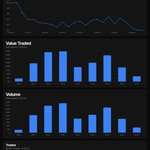
MORE Dashboard updated.

MORE Preferred Shares Dashboard
Link in comments for interactive chart.
$MORE #UKDividends #Dividendinvesting #FinancialFreedom #FTSE

MORE Preferred Shares Dashboard
Link in comments for interactive chart.
$MORE #UKDividends #Dividendinvesting #FinancialFreedom #FTSE
MORE Preferred Shares Dashboard.
LInk in comments for interactive chart.
$MORE #UKDividends #DividendInvesting #FinancialFreedom #FTSE
