



Pinned Tweet
发现一个 #AI 时代,用自己的声音快速赚钱的机会。源于前几天在WSJ上看到的一篇报道,被动收入才是美国梦。《Forget Work. Passive Income Is the New American Dream.》我三天赚了大概$0.065,虽然不多,但它是被动收入,还在增长中
try.elevenlabs.io/8xp0zo65pj…


Will Will retweeted

🔥 这个开源项目太TM解气了,cleanyourtv,短短 3 天,冲破 1 万 star
可以把安卓智能电视里的广告、预装软件、后台偷跑的数据收集、还有卡顿界面,统统清干净。流畅度直接起飞。
它让 Agent 通过 Wi‑Fi 直连你的电视,全自动执行:
🚫 停用所有广告、无用推荐和后台监控采集
🚫 冻结各种用不上的预装流氓组件
最赞的是原系统组件只是「停用」并未卸载,并且附带恢复脚本。
🎯 【适用范围与项目地址】
只要是 Android TV ,并且能开启网络 ADB,基本都能折腾。
✅ 目前适配的品牌49 个,设备型号 143 个,支持的国产品牌如下
TCL(32):少数国行机型不让装第三方启动器,只能去除预装软件
Xiaomi 小米(17)
Hisense 海信(6)
CHiQ 长虹(2)
Haier 海尔(2)
OnePlus 一加(2)
Skyworth 创维(2)
FFalcon 雷鸟(1):TCL 旗下
Redmi 红米(1):小米旗下
Vidda(1):海信旗下
详细实操步骤👇

REA(Reverse Engineer Anything)逆向一切
三天从 3 万 Star 涨到 12 万+,一天新增 2.5 万以上。MIT 开源。
大家都在说它,"一切软件都可逆",
我看到更好玩的是:拆硬件的通信协议。
家里的空调、热水器、灯,基本都配了一个难用的厂商 App。App 背后,其实就是一套设备通信协议。
REA 这几天的更新正好补齐了这条链路:
· adb 连模拟器或真机,抓到官方 App
· 分析 HAR 或 mitmproxy 抓包,把每个请求定位到 App 源码
· 用 Binwalk/Unblob 拆固件,再交给 Ghidra 分析
然后把证据交给 Claude Code / Codex,还原协议,自己写控制端。
X 上已经有人用同样的思路,逆向了空调,做成 Mac 状态栏应用,又花 15 分钟移植到 AR 眼镜上,看一眼就能控制。
以前是厂商 App 决定你能怎么用自己的设备,以后你可以自己写。
Will Will retweeted

硬件入门一直被许多人视为门槛极高的一道坎:元器件繁杂、接线容易短路、软硬件协同调试困难……但如果把复杂的电路彻底拆解成可交互的“积木”,会是怎样的体验?
开发者 Dilum Sanjaya 基于 Claude Opus 构建了一款极其惊艳的交互式学习应用:Learn Arduino,主打“一次搞懂一个电路”,把原本枯燥抽象的硬件开发变成了所见即所得的极简探索。
这款工具的亮点非常直接:
零负担渐进式路径:摒弃传统教程漫长的理论轰炸,从最基础的认识板卡(Meet the Board)、点亮一颗 LED(Blink an LED),到按键检测、电位器调压与多色混合,循序渐进拆解每个动作。
高质感 3D 可视化电路:UI 极其克制优雅,没有任何冗余元素。开发板、面包板与元器件全部以拟真且清爽的视角呈现,接线逻辑一目了然,彻底消除新手“插错线怕烧板子”的心理恐惧。
即时代码与硬件联动:右侧内置代码编辑窗口(Try It Yourself),修改参数即可实时在模拟电路中查看对应状态,让 pinMode 和 digitalWrite 的底层行为变成肉眼可见的物理反馈。
无论是想要拓展嵌入式领域的纯软件工程师、正在寻找生动教学素材的 STEAM 教师,还是打算带孩子做硬件启蒙的家长,这种把复杂工业概念重构为直观体验的产品都极具启发性。
好的工具从来不是替你偷懒,而是用直观的设计消解前期的认知负荷,把枯燥的摸索转化为纯粹的创造乐趣。
体验地址:learn-arduino-red.vercel.app…

Will Will retweeted

AI 再聪明,写代码时我还是更信 GitHub 上成熟仓库里验证过的解法
AI 还没爆发的时候,我就经常参考这些仓库来写代码,质量也很好
现在有人把这套方法做成了工具,叫 XERJ:
帮 AI 下载相近的开源仓库,把代码整理成可搜索的资料,动手写之前先查相关实现
效果怎么样?
项目方用专门构造的陌生代码库做了对照测试:
两组都通过了 16/16 次运行,用 XERJ 的组比用 grep 搜源码的组,生成的文本量少了约 62%(按 token 计)
挺高兴看到自己以前的做法,有人把它做成工具,还测了效果
github.com/xerj-org/xerj


Will Will retweeted

If you're job hunting, install ai-job-search in Claude Code first (50K stars on GitHub). Paste a job link and it 𝘄𝗿𝗶𝘁𝗲𝘀 𝗮 𝗖𝗩 𝗮𝗻𝗱 𝗰𝗼𝘃𝗲𝗿 𝗹𝗲𝘁𝘁𝗲𝗿 𝗺𝗮𝘁𝗰𝗵𝗲𝗱 𝘁𝗼 𝘁𝗵𝗮𝘁 𝗽𝗼𝘀𝘁𝗶𝗻𝗴, has a second agent pick them apart, and only hands them over once they're revised.
It scores a whole batch of scraped jobs and gives you a shortlist. When you land an interview, it 𝗽𝗿𝗲𝗱𝗶𝗰𝘁𝘀 𝘁𝗵𝗲 𝗾𝘂𝗲𝘀𝘁𝗶𝗼𝗻𝘀 from that posting and the exact CV you sent, and can run a mock interview with you.
A fork of the repo is public, and /setup writes your contact details and salary expectations into it. Send this to Claude Code and it sets up a private repo, then walks you through your profile 👇
"Copy github.com/MadsLorentzen/ai-… into a new private repo of mine. Don't fork it. Install it following the repo's setup guide, then walk me through /setup."


I'm begging you: if you write code, 𝗿𝘂𝗻 𝗖𝗹𝗮𝘂𝗱𝗲'𝘀 𝗼𝗳𝗳𝗶𝗰𝗶𝗮𝗹 𝘀𝗲𝗰𝘂𝗿𝗶𝘁𝘆 𝗽𝗹𝘂𝗴𝗶𝗻.
It sends a team of agents through your whole repo. Every finding goes to three more agents whose only job is to knock it down, and it 𝗼𝗻𝗹𝘆 𝗺𝗮𝗸𝗲𝘀 𝘁𝗵𝗲 𝗿𝗲𝗽𝗼𝗿𝘁 𝗶𝗳 𝘁𝘄𝗼 𝗼𝗳 𝘁𝗵𝗲𝗺 𝗮𝗴𝗿𝗲𝗲.
On a big repo it can take tens of minutes to a few hours. It might find nothing, and it burns usage either way. Still beats saying "if only we'd run it" after something goes wrong.
It really is three lines (switch to Opus 5.5 with /model first):
/plugin install claude-security@claude-plugins-official
/reload-plugins
/claude-security scan the whole repo at high
It asks once whether to go ahead. Say yes. Anything marked CRITICAL or HIGH in the report, fix it.
If the install fails, run /plugin marketplace add anthropics/claude-plugins-official first. If it says the Workflow tool is missing, turn on Dynamic workflows in /config and restart. You'll need Python 3.9 or later. Keep Claude Code open while it runs, and don't switch branches.
When it's done, run /claude-security again and pick Suggest patches. Each finding becomes a patch file, and you decide which ones to apply.
Will Will retweeted

Your workflows have changed with AI. How about your setup?
Physical controls are back. Take the new Logitech MX Keypad, now directly integrated with the GitHub Copilot app.
This experience allows you to run agentic workflows with control, map a repeated prompt, start or resume a session, and help you stay in flow.
github.blog/news-insights/co…

Will Will retweeted

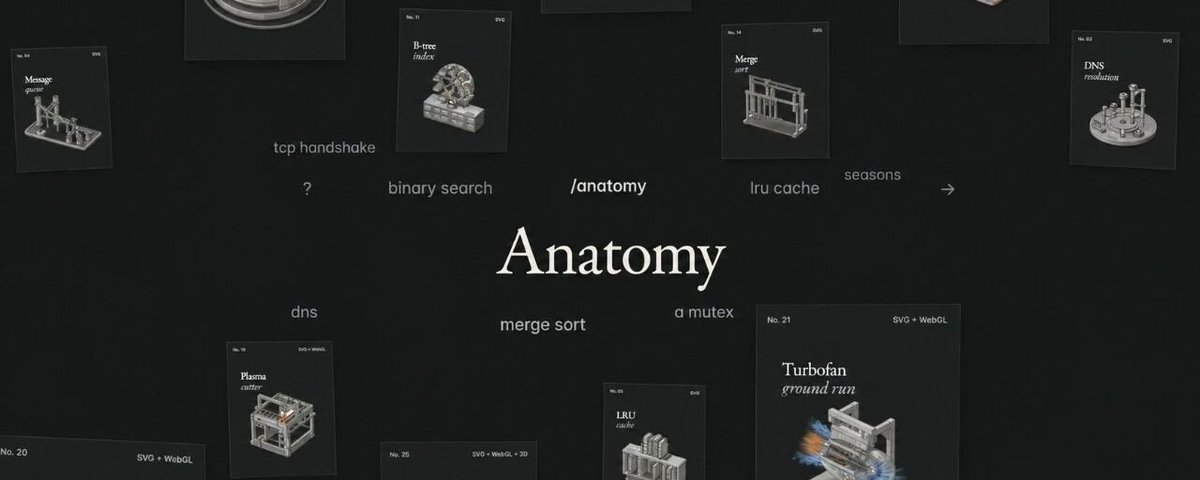
Looking for a weekend project?
Here’s what the community has been building and how you can replicate it yourself:
youcanjustbuildthings.openai…



Will Will retweeted

AI 写代码太快,git 扛不住了:Anthropic 为什么自己造了 Scion?
视频1: 英文版
视频2: 中文版
这一年,GitHub 隔三岔五就出故障。GitHub 在自己的可用性报告里说,流量涨得飞快,很大一块来自 AI:AI 帮人写代码,AI 智能体自己提交修改。他们四个月里把有效容量翻了一倍多,还是扛得很吃力。
Anthropic 自己的代码库更夸张:今年五月平均每天合并约 2500 次修改,到了九月,一天超过 3 万次,涨了十倍以上。
全世界程序员都在用的 git,扛不住了。Anthropic 干脆自己造了一个版本控制系统,叫 Scion,五个月就把整个代码库从 git 换了过去。git 为什么扛不住?Scion 到底改了什么?
git 是干什么的
你可以把 git 想成一个带时光机的共享文件夹。每改一次,就存成一个版本,叫一次提交。谁改了哪一行、什么时候改的,都查得到,改坏了还能退回去。
GitHub,就是全世界最大的、帮大家存放 git 仓库的网站。
很多大公司会把所有项目的代码放进同一个大仓库,这叫单体仓库(monorepo)。Anthropic 用的就是这种。
每人一整座图书馆
git 有个特点:每个人拿到的,都是一整份完整的仓库,连全部历史一起。打个比方,就像借书的时候,顺手把整座图书馆复印一份搬回了家。好处是断了网也能翻历史、查记录。
仓库小的时候,这没问题。可 Anthropic 的仓库,光主分支的历史就接近 100 GB,压缩后的一份工作副本也超过 25 GB。
搬不动了
再看要搬多少次。光是自动构建和测试(CI)这一个环节,每天就要把代码检出到机器上大约 2500 万次,这还没算开发环境、AI 智能体的沙盒和研究任务。要是每次都老老实实整份拉取,一天的流量会超过 600 PB。换算一下,差不多是 60 万块 1 TB 的硬盘。
原来的补丁架构:层层加缓存
他们想过各种办法:浅克隆、稀疏检出这类只拉一部分的功能都试过。原来的架构,是层层加缓存:机器要代码,先找本地的打包缓存(packfile cache);没有,再找镜像服务器(mirror replicas);镜像再去找镜像主库,最后才是最上游的那份仓库。每个集群都有一套。新机器启动时,还会先从云存储拷一份仓库快照,省得从零开始拉。
最多的时候,同时开着几百台 git 镜像服务器。可修改越来越多,快照一拷下来就落后一大截,镜像也越来越难养。
换一个问题
后来他们发现,git 那些为离线工作准备的本事,自己几乎用不上。
这里说的“在线”,不是指能不能上网,而是随时能连上公司的代码服务器。你带着笔记本上飞机,没有网也想写代码、翻历史,git 那套“每人一整份”的本事才派得上用场。可在 Anthropic,用代码的几乎都是 AI 智能体和后台任务,它们本来就跑在公司的机器上,跟代码服务器之间的网一直是通的。
于是他们换了个问题:如果从一开始就假设,用的人永远在线、随时连得上服务器,代码管理该长什么样?
要哪页,取哪页
答案是:别再搬图书馆了,改成去前台借。
Scion 的客户端不存整份仓库,只留一个容量有限的本地缓存。需要哪个目录、哪个文件,再去服务器取。查历史、查某一行是谁写的、合并和变基,这些重活全交给服务器。这些查询能力都通过接口开放出来,很多任务连代码都不用拉,直接问服务器就行。
提交就在服务器上
在 git 里,你先在自己电脑上提交,再推送给大家。在 Scion 里,提交直接发生在服务器上,一提交,所有人马上能看到,根本没有“推送”这一步。
每次提交只记下这次改了哪几个文件,像一张修改清单,不用把整个目录重抄一遍。清单上每个文件只记一个编号,真正的内容存在云存储里,一模一样的内容只存一份。所以仓库再大,一次提交的成本只跟这次改了多少有关。
一层层的分馆
那么多机器同时来借,服务器忙得过来吗?靠的是一层层缓存:每台机器上有个“小管家” scion-daemon,每个区域有个“分馆” scion-cache,最后才是“总馆” scion-server,它背后连着数据库和云存储。
每份文件都按内容算出一个编号,存进去就再也不会变,所以哪一层都能放心缓存,不用跟别人核对。结果,每一层的缓存命中率都超过 99%,绝大多数请求在家门口就解决了。
Scion 的整张架构图
把这些拼起来,就是原文配图里的 Scion 架构。请求分两条路走:
一条是“问事”(控制面):查历史、看差异、提交修改,所有客户端,包括代码审查工具 Antique、开发者电脑、集群里的任务,都直接找总馆 scion-server。
另一条是“取货”(数据面):目录和文件内容走缓存。开发者的电脑直接找区域分馆 scion-cache;集群里的任务先找本机的小管家 scion-daemon,没命中再一层层往上找。
总馆背后,修改记录、分支和目录结构存在 Spanner 数据库里,文件内容存在云存储里。新机器上线,小管家先拷一份定期快照,省得从头拉。
效果
整套设施占用的 CPU 和内存,比原来的 git 镜像集群小了 200 倍。测试和研究任务拉代码,从几分钟缩短到几秒钟,光 CI 这一项就省出了 25% 的 CPU。原文配图里还有一组数字:AI 智能体新开一个工作区,中位耗时从 7.1 分钟降到 5.1 秒,快了 84 倍。
这么大的系统,得多少人做?
一个七个人的团队,用五个月做完了 Scion 和配套的代码审查工具 Antique,还顺手做了五六个周边系统,并把整个仓库迁了过去。而且这期间每天合并的修改量涨了十倍。放在过去,这种迁移往往要大得多的团队花上好几年。
一个例子:他们手写的第一版数据导入程序,交给 Claude 一个早期的内部版本(Claude Mythos Preview 的早期快照)重写,没加任何额外要求,新版本内存降了 20 倍,速度快了 4 倍,原有的约束条件也都保住了。
AI 写代码这么强,工程师还干什么?
参与的工程师都承认,单论写代码,Claude 已经比他们强了。但工程师的活变了:把握各个系统怎么配合,权衡架构上的取舍,围绕要解决的问题和预期的规模做决定。很多时候,他们的工作是对 Claude 说“不”。
比如,有好几个系统想一条条扫提交记录,去找某次修改是什么时候合进主分支的,其实直接问代码审查工具就行。现在团队成员依然审查每一个变更,但审的是修改背后的意图,不再逐行读代码。
大家都该扔掉 git 吗?
不用。Anthropic 自己说,Scion 不是 git 的通用替代品,只有极其庞大的单体仓库才用得上:背后要么有几万名工程师,要么有成群不知疲倦写代码的智能体。
它和 git 差别太大,想用就得把代码审查、代码搜索、CI 这整条工具链重做一遍,所以他们没打算做成通用产品。他们更希望这些思路被借进 git 生态:服务器多干活、提供更完整的查询接口,客户端按需取。他们预计,未来 6 到 12 个月,这类扩展问题会在业界越来越常见。
记住三句话
第一,git 让每个人拿一整份仓库,AI 把修改量推高十倍以上,就搬不动了。
第二,Scion 假设用的人永远在线、随时连得上服务器:要什么取什么,重活交给服务器,一层层缓存兜底。
第三,AI 写代码越快,瓶颈就越会跑到别处:代码管理、构建、测试,都得按 AI 的规模重新设计。
以前,是每人搬回一座图书馆;现在,楼下就有分馆,要哪页,借哪页。
资料来源:Anthropic 工程博客《Redesigning source control at Anthropic》(2026 年 10 月),anthropic.com/engineering/re…

New on our Engineering blog: Creating in-house source control.
In May, we merged around 2,500 code changes per day. In September, we merged more than 30,000 per day. As a result, we became bottlenecked by developer infrastructure built for human (rather than agent) scale.
Here, we share how we built a new version control system—and fully migrated our monorepo from git—in five months: anthropic.com/engineering/re…

Will Will retweeted

Dusting off this tweet from April because this gap in shared understanding of LLM capability is *widening*. It's now less "two groups of people speaking past each other" and more a sharp funnel.
- Napkin math somewhere around 6B people (~75% of the population) have barely come in contact with LLMs at all.
- Around 1-2B (~20%) are casual and infrequent users of free-tier ChatGPT-like products. This group sees derpy chatbots and treats them a bit like a better Google search, a writing aid, or etc. Maybe an agent tries to book you a flight. I have non-tech friends who (reasonably, imo) say they have not much use for it at all. Even many professionals outside of math&code are in this tier. For example, execs and many other functions spend a lot of their time talking to other people, so while they understand what is happening intellectually, it is still second-hand and a bit abstract.
- Now we get to professional use of frontier-grade LLMs in math&code. Somewhere around 20M people (0.2%) see first-hand that large, complex projects that used to take them weeks/months can now be completed by agents with a prompt. Building apps, copying apps, translating apps, decompiling apps from binaries... This has all happened very quickly and recently - less than 1 year ago, I was writing code manually by hand, typing memorized computer code commands into a code editor character by character, occasionally pressing Tab to autocomplete a little chunk of code.
- And finally we get to the ~5,000 people (~0.00006%) with access to frontier-grade systems internally. The external world has seen the preview. It looks like swarms of thousands of agents collaborating over weeks on software mega projects: minting zero days, running cyber attacks and defenses at machine speeds, discovering new science, advancing the frontier of mathematics. Things that would have taken top professionals in the industry years of work. Meanwhile, human review and comprehension are starting to fall behind. For example, people are still involved in the "archeology" of the OpenAI-HF incident from many months ago. Mathematicians may be poring over the 722 manuscripts on frontier mathematics for a while.
The funnel is driven by a combination of factors:
1. The impact scales with ambition, problem size, and horizon. A question with a paragraph answer barely stresses the system. You need a reservoir of big, difficult problems that you really care about. This aspect drives the consumer / professional dimension of the funnel.
2. The jaggedness of the system (which I have written about a lot separately). Capability peaks in domains that are digital, verifiable and economically valuable. This is because LLM capability emerges from reinforcement learning on verifiable rewards on a curated environment mixture driven by revenue potential. This aspect primarily drives the area (e.g. math&code) dimension of the funnel.
3. Access. Free-tier, paid-tier, internal.
So this is the weirdness of the moment. The general public has mostly not interacted with these systems. When they have, it looks like a derpy chatbot. The majority of professionals still see only a modest uplift. And a small sliver of professionals are experiencing the vertigo of the curve going vertical. And it is all happening at the same time.

Judging by my tl there is a growing gap in understanding of AI capability.
The first issue I think is around recency and tier of use. I think a lot of people tried the free tier of ChatGPT somewhere last year and allowed it to inform their views on AI a little too much. This is a group of reactions laughing at various quirks of the models, hallucinations, etc. Yes I also saw the viral videos of OpenAI's Advanced Voice mode fumbling simple queries like "should I drive or walk to the carwash". The thing is that these free and old/deprecated models don't reflect the capability in the latest round of state of the art agentic models of this year, especially OpenAI Codex and Claude Code.
But that brings me to the second issue. Even if people paid $200/month to use the state of the art models, a lot of the capabilities are relatively "peaky" in highly technical areas. Typical queries around search, writing, advice, etc. are *not* the domain that has made the most noticeable and dramatic strides in capability. Partly, this is due to the technical details of reinforcement learning and its use of verifiable rewards. But partly, it's also because these use cases are not sufficiently prioritized by the companies in their hillclimbing because they don't lead to as much $$$ value. The goldmines are elsewhere, and the focus comes along.
So that brings me to the second group of people, who *both* 1) pay for and use the state of the art frontier agentic models (OpenAI Codex / Claude Code) and 2) do so professionally in technical domains like programming, math and research. This group of people is subject to the highest amount of "AI Psychosis" because the recent improvements in these domains as of this year have been nothing short of staggering. When you hand a computer terminal to one of these models, you can now watch them melt programming problems that you'd normally expect to take days/weeks of work. It's this second group of people that assigns a much greater gravity to the capabilities, their slope, and various cyber-related repercussions.
TLDR the people in these two groups are speaking past each other. It really is simultaneously the case that OpenAI's free and I think slightly orphaned (?) "Advanced Voice Mode" will fumble the dumbest questions in your Instagram's reels and *at the same time*, OpenAI's highest-tier and paid Codex model will go off for 1 hour to coherently restructure an entire code base, or find and exploit vulnerabilities in computer systems. This part really works and has made dramatic strides because 2 properties: 1) these domains offer explicit reward functions that are verifiable meaning they are easily amenable to reinforcement learning training (e.g. unit tests passed yes or no, in contrast to writing, which is much harder to explicitly judge), but also 2) they are a lot more valuable in b2b settings, meaning that the biggest fraction of the team is focused on improving them. So here we are.
Will Will retweeted

重度用 Codex 的友友,原来动辄几十G的空间占用,现在可以通过压缩旧会话省点硬盘空间了。我原来14.53G的会话记录压缩后释放了8.7G的空间。
今天才知道Codex 6月份就已经内置了自动压缩功能,这个开关叫做:local_thread_store_compression。只是开关默认关闭,需要手动开启,可以交给Agent去执行启动。
开启后,超过 7 天没有修改的旧会话文件,会在后台压成 .jsonl.zst。这是无损压缩,历史记录保留,之后继续会话时会自动解压。压缩后大约能够占用原来空间的1/6.
用 Codex App 可以这样设置:
打开「设置 → Configuration(配置)→ Open config.toml」。找不到入口时,在设置里搜索 config.toml。
找到 [features],在下面加一行:
local_thread_store_compression = true
如果文件里没有 [features],就在末尾添加完整配置:
[features]
local_thread_store_compression = true
保存后完全退出 App,再重新打开。Mac 可以按 ⌘Q 退出。
用 Codex CLI 在终端执行:
codex features enable local_thread_store_compression
随后重新启动 Codex。想确认开关是否开启,执行:
codex features list
找到 local_thread_store_compression,末尾显示 true 就可以了。
同一台电脑上,App 和 CLI 默认共用 ~/.codex/config.toml,两种方法选一种即可。
还有两个容易误会的地方:
• “7 天” 按文件最后修改时间计算。
• 压缩在后台运行,有 6 小时的重复运行限制,连续重启不会反复触发。
建议先把 App 和 CLI 都更新,再开启这个功能,确保两边都能读取压缩后的历史。


Will Will retweeted

GPT-6 and Intelligent UI, now rolling out in ChatGPT for everyone.
Intelligent UI in ChatGPT delivers fast, interactive answers that make everyday questions more visual, complex topics easier to grasp, and interactive tools for your task available on the spot.
Will Will retweeted
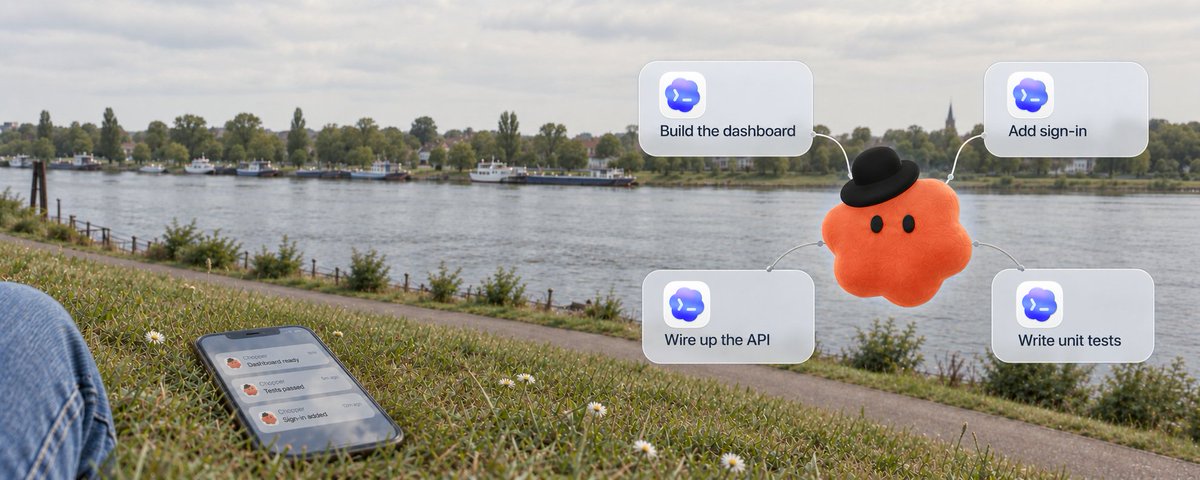
Your dot learns how you work, keeps context across apps, coordinates Codex tasks, and flags what needs your attention.

Will Will retweeted

Codex tip: once GPT-6.1 Sol is your main model, stop running Astra on every turn
put Astra on call as an architect agent
GPT-6.1 Sol keeps writing the code
Astra only gets spawned at three points:
→ before a plan: is this the right approach?
→ when the same error comes back: am I digging in the wrong place?
→ before "done": what did I miss?
Astra reviews. Sol ships
Jev engineering is the same move one layer down: the forks that need no thinker (which file, which tool, retry or stop) go to Jev in under half a second, and the big models only see the ones that split
- the full tree
> GPT-6.1 Sol on high runs the main session
> explorer reads the code on Luna
> worker edits and runs tests on Sol
> researcher pulls the docs on Luna
> all three on medium
> Astra on call as the architect
> auto_review checks every approval
paste the tree and this prompt into Codex ↓
"Rebuild my Codex setup around this tree:
1. Check ~/.codex/agents and .codex/agents for agents that already fit explorer, worker and researcher.
> Draft new TOML files only for missing roles
> explorer and researcher on gpt-6-luna, worker on gpt-6.1-sol, all with model_reasoning_effort medium
> Add an architect agent on gpt-6-astra, model_reasoning_effort high, whose only job is reviewing plans, repeated errors and finished work
> Skip any that pin a different model and list them
2. In ~/.codex/config.toml set model to gpt-6.1-sol, model_reasoning_effort to high and approvals_reviewer to auto_review
3. Find anything that would override this (active profiles, flags in my shell aliases, agents.default_subagent_model). Report it, change nothing
4. Add one rule to AGENTS.md: spawn the architect before a large plan, when an error repeats, and before calling a long task done
Show me every change as a diff first. No edits until I say go."
↳ developers.openai.com/codex/…


