

🇪🇺I talk about strategy in politics, finance, and tech. Research: scale invariance in Game Theory/System Dynamics. Fix the money.
Rome, Italy, Europe, World
Joined November 2022
- Tweets24.1K
- Following1.3K
- Followers1.9K
- Likes44.8K


Zeitgeist Explorer⚡ retweeted

Italy has recorded a remarkable decline in homicides over the past several decades, with its homicide rate now among the lowest in the European Union.
According to research by Eurispes using official Italian statistics, the country recorded 1,916 homicides in 1991, equivalent to 3.4 per 100,000 inhabitants.
By 2024, that figure had fallen to just 327 homicides, representing a decline of approximately 83% in the annual number of killings.
In 2023, Italy recorded a homicide rate of just 0.57 per 100,000 inhabitants, compared with the EU average of 0.91. When adjusted for age differences between populations, Italy ranked third-lowest in the EU.
The decline has been attributed partly to decades of sustained action against organized crime, declining conflicts between mafia organizations which have reduced their reliance on lethal violence.

Zeitgeist Explorer⚡ retweeted
Immigration in developed countries doesn't correlate with the political alignment of the government (in fact, it's even slightly negatively correlated with left wing govs in terms of sheer volume). It correlates strongly with the business and credit cycles.
Zeitgeist Explorer⚡ retweeted

Italian Companies To Help Restore Nine Historic Buildings In Libya’s Benghazi
#Libya #Italy
libyareview.com/69537/italia…

Zeitgeist Explorer⚡ retweeted

🇨🇳🇰🇷🇺🇸
Can South Korea reduce its economic dependence on China?
For years, China was South Korea’s biggest source of trade surplus. That has now reversed.
South Korea’s trade balance with China collapsed after 2021 and turned into a clear deficit. At the same time, its surplus with the United States has risen sharply and is now larger than the old China surplus ever was.
Exports to the US are growing strongly, while trade with China has become more balanced, or even disadvantageous for South Korea.
The data shows a real shift is underway. Whether this is enough to meaningfully reduce long-term economic dependence on China is still an open question.
Source: @theatlasinst by Christopher Fakhourie

Zeitgeist Explorer⚡ retweeted

Italian Taxi driver told us that the only way to survive in Italy as a normal person was tax evasion
Zeitgeist Explorer⚡ retweeted

🇮🇹⚓️Leonardo presenta SADOC 5, el sistema de combate de los nuevos destructores italianos DDX.
La compañía introduce en Euronaval 2026 una nueva generación de sistemas de gestión de combate, con inteligencia artificial y arquitectura modular, y amplía su oferta con ATHENA L para unidades navales de menor complejidad. defensayseguridad.es/leonard…

Zeitgeist Explorer⚡ retweeted

emergent super-permeable cell walls are so OP, anyone know if God is nerfing them next patch?
such a stale meta these last ~4 billion years 🥱
Zeitgeist Explorer⚡ retweeted
A very good piece of reporting on China's new economic statecraft/ expanding efforts to turn "manufacturing dominance" into political leverage; I missed it for obvious reasons (the U.S. election)
nytimes.com/2026/11/02/world…

Zeitgeist Explorer⚡ retweeted
.
Who will WIN and who will LOSE from the energy transition
This chart from IRENA compares two scenarios to 2050:
- PES: Planned Energy Scenario (current policies)
- DES: Decarbonising Energy Scenario (faster transition)
It shows the cumulative difference in fuel trade gains/losses and the change in oil, gas and manufactured fuels output.
Countries and regions
Japan: Clear winner, big import savings, limited local production loss
India: Winner, strong import savings
Brazil: Mild positive
Southeast Asia: Positive on trade
EU27: Near neutral / slight negative- Europe is a major importer, but it also has significant refining and petrochemical capacity. The contraction in these sectors offsets some of the import savings.
Canada: Slight negative
Middle East: Negative, export revenue loss + production decline
Africa: Negative, similar double exposure
China: Negative, import savings not enough to offset production losses
United States: Strongly negative
Net oil exporters: Biggest losers, heavy losses on both export revenues and domestic production
Bottom line: Net fossil fuel importers tend to benefit. Major exporters face a double hit, lower export income and shrinking domestic fossil fuel industries.

Zeitgeist Explorer⚡ retweeted

The German government has struck a deal with the family owners of KNDS to buy a 50% stake in the Franco-German tank maker, according to a government document, as Berlin moves to strengthen its influence over critical defence technology.
reuters.com/business/aerospa…

Zeitgeist Explorer⚡ retweeted

🚨🎙️🇮🇹🇪🇺🇺🇦🇷🇺 Lettera di Giorgia Meloni al Presidente del Consiglio Europeo, Antonio Costa:
“Caro Antonio,
Alla luce dei più recenti sviluppi, sono costretta a tornare su un tema che ho più volte sollevato in Consiglio Europeo.
Mi riferisco alla necessità, per l'Europa, di parlare con una sola voce sulla questione ucraina. Necessità ormai improcrastinabile.
Consentimi, al riguardo, di ripercorrere solo quanto accaduto nell'ultimo mese.
A Miami un incontro "informale" tra i Consiglieri per la sicurezza nazionale di alcuni Stati europei, Ucraina, e rappresentanti NATO e UE è stato confermato solo successivamente, da fonti statunitensi. Poi ci siamo riuniti a Oslo. Pochi giorni dopo, a Helsinki, durante la sessione del Consiglio Nordico, il Presidente
Stubb e il Primo Ministro Støre hanno sospeso i lavori per una telefonata "a titolo nazionale" con il Presidente russo Putin. Immediatamente dopo è stata convocata per il 19 novembre, a Berlino, una riunione della Coalizione dei Volenterosi, che riunisce 37 Stati. Ma, una settimana prima, cioè il 12 novembre - a margine della riunione della Comunità Politica Europea - siamo stati convocati a una riunione del cosiddetto “formato Berlino", che ha una composizione ancora diversa da tutte le altre che ho citato. Come se non bastasse, apprendo che in questi giorni hanno luogo riunioni di livello tecnico a Bruxelles, e che è prevista una non meglio precisata presenza europea ai colloqui previsti ad Abu Dhabi tra ucraini e russi con la mediazione americana. E, nel frattempo, ci saremo visti al Consiglio Europeo informale di Dublino.
Ho rimesso in fila gli esempi solo dell'ultimo mese perché penso che spieghino più di qualsiasi parola quanto tutto questo ci stia rendendo poco credibili nella gestione di uno dei dossier più complicati con i quali le nostre Nazioni si confrontano. E sono convinta che tutti ci rendiamo conto di come, dando l'immagine di un'Europa che va in ordine sparso, non facciamo altro che l'interesse di chi vuole che questa guerra continui. E penso che sia inaccettabile, atteso che in gioco ci sono vite umane e il futuro della nostra sicurezza.
Metto nero su bianco queste parole, Antonio, perché voglio che rimanga agli atti che non mi presto a questa dinamica, né intendo restare a guardare mentre si consuma.
Allo stesso tempo, voglio sgombrare il campo da qualsiasi equivoco: non sto chiedendo un posto per l'Italia in questo o in quel formato.
Tutt'altro: se può rendere la mia richiesta più credibile, sono pronta a dire che non chiedo questo ruolo né per me né per l'Italia. Quando abbiamo potuto, non abbiamo mai fatto mancare il nostro contributo, e non lo faremo domani. Ma non siamo disposti ad accettare che si negozino, in assenza di un mandato, impegni che anche la nostra Nazione sarà poi chiamata ad assumere. Inoltre, il risultato ci sta molto più a cuore del formato, e perché l'Europa possa ambire a determinarlo deve parlare con una voce sola, e autorevole.
Quello che continuo a chiedere è che si decida una volta per tutte chi siede al tavolo negoziale in rappresentanza dell'Unione Europea, e con quale mandato. Perché procedere in ordine sparso, con iniziative che si rincorrono e si accavallano non ci aiuterà, né con i nostri partner, né con chi dobbiamo convincere a fermare un'aggressione insensata.
Pertanto, Antonio, chiedo formalmente che nel prossimo Consiglio Europeo informale di Dublino la questione venga discussa, affinché il Consiglio Europeo di dicembre sia in grado di formalizzare una decisione sul punto, anche dopo un raccordo con Regno Unito, Norvegia e gli altri partner europei interessati. In caso contrario, temo che rischiamo di condannare l'Europa all'irrilevanza nel processo negoziale.
Confido che metterai la questione tra le tue priorità e sai che potrai sempre contare sul mio sostegno. Giorgia Meloni”.

Zeitgeist Explorer⚡ retweeted
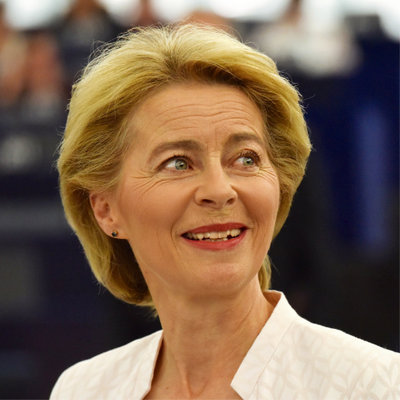
Energy prices are a top concern for our citizens and for our businesses.
Last week, @EU_Commission held a strategic dialogue with refineries to help boost production at this critical moment.
Today, together with @IEA Executive Director @fbirol, we are coordinating our actions on the oil stock releases agreed by the G7.
The future for the EU lies in electrification powered by homegrown clean energy, both renewables and nuclear.
We will work to accelerate electrification together with our partners at COP31 in Antalya.

Zeitgeist Explorer⚡ retweeted

Japan suggests Germany become a GCAP observer like Canada, that is just buying the finished jet.
“One option for Germany beyond direct participation could be to join as an observer”
“an eye toward purchasing the aircraft, as Canada has done”
japantimes.co.jp/news/2026/1…

Zeitgeist Explorer⚡ retweeted

#Patrimoniale. I miei 2bp. Si tolga l’IMU, si tolga l’imposta di bollo, si tolga la tassa sui capital gain. Si introduca una tassa su *tutto* il patrimonio (al netto del mutuo sulla prima casa fino ad un limite max), *indipendentemente* dalla composizione del portafoglio. Si disegni, infine, l’aliquota progressiva a piacere.
Ad occhio, mette d’accordo tutti o quasi.
Zeitgeist Explorer⚡ retweeted

> Situational awareness
> Unaware of the situation


JUST IN: Leopold Aschenbrenners Fund (Situational Awareness) has reportedly officially blown up…
These are the current (now liquidated) holdings:
- $MU bought at $1,153, now $703, (-39%)
- $CORZ bought at $25.6, now $11.1, (-56%)
- $SNDK bought at $2,268, now $874, (-61%)
- $NBIS bought at $273, now $121, (-55%)
- $CRWV bought at $99, now $42, (-57%)
- $BE bought at $301, now $165, (-45%)
Use him as a lesson why you NEVER over-leverage into high risk positions.
That concludes an end of an era…


Zeitgeist Explorer⚡ retweeted

i mean yeah that’s what happened with obama, they gave him a nobel peace prize after being in office for less than a year for the achievement of not being george bush


Reality nuke: the very moment an American president such as this makes the equivalent outward-looking speech, most of the narrative that became popular in Europe over the past 2 years regarding transatlantic decoupling will essentially disappear, and we will discover that over this time we've in fact done the opposite.
I will be there pointing this out to make sure everybody hates me for being right.
Also, the guy below is in fact the most likely next US president as things stand.
Zeitgeist Explorer⚡ retweeted

"It gives Europe more clout."


In beautiful Trenčín 🇸🇰, European Capital of Culture, I brought 3 main messages to the Visegrád 4 Summit.
We're committed to enlargement as a geostrategic necessity. It gives Europe more clout. More prosperity. The Visegrád countries are proof of its success.
High energy prices are at the top of our agenda. We are working to bring them down by accelerating the clean transition, diversifying supplies and pooling demand.
Ukraine must negotiate peace from a position of strength. Continued military support, including through the successful Czech Ammunition Initiative, is essential. The Visegrád Four will also play a key role in Ukraine’s future integration into our Union.
Zeitgeist Explorer⚡ retweeted

"This diseased incentive structure of the modern fiat system is the foundation of the emerging oligarchy and financial feudalism, not the absence of a 1% wealth tax on large fortunes, not the structure of labour, not AI."
To the socialists of all parties.
The Paraguayan central bank has initiated resolution proceedings for Ueno Bank after identifying solvency problems, loans to entities connected to the government, and accounting irregularities. People cannot access their funds, and the police have surrounded the bank's branches to suppress popular unrest.
Ueno had significant ties to President Peña and the business group that owns it. The bank's former CEO had been appointed head of the central bank.
Moreover, the public pension fund had invested approximately $355 million in the institution, tightly intertwining the fate of pensioners with that of the bank.
Initial investigations reportedly uncovered loans to companies connected to the bank's owners, along with deeper accounting irregularities.
The question now is whether Ueno represents an isolated case of mismanagement and conflicts of interest, or whether it has exposed deeper vulnerabilities in Paraguay's financial system.
In any case, bad or worse, it's always the same story: the banking state corrupts both sides of the consulate; banks fill up with public debt and become too big to fail, moral hazard leverages extraordinary shares of the country's wealth, influence over the government, corruption and outright crime become the core business.
And when reality catches up with the lies, it's inevitably the people who pay. There's no alternative but to socialise the losses of the casino. And this is the minimum price to pay: if your currency doesn't collapse; if you're not forced to sell the country to the IMF, the World Bank, or directly to large foreign private banks; if you manage to maintain public order, and so on.
Some underdeveloped country faces this every year, sometimes multiple countries every year. Sometimes monetary debasement and rate manipulation are so orderly that systemic theft takes place without any particular shocks or headlines.
But the consolation of living in stronger and more stable currency areas is only partial.
Partly because exactly the same things happen there, but have a less destructive impact because there is more wealth and less immediate flight of foreign capital.
Partly because the degeneration, corruption, and accelerated destruction we see in areas of the world poor in wealth and governance are merely the accelerated version of our own history, which is characterised by an increasingly symbiotic relationship between the state and banks, growing moral hazard in the financial sector, and, through these mechanisms, Chinese-style penetration of the public sector into the private sector, and feudal penetration of the private sector into the public sector.
This diseased incentive structure of the modern fiat system is the foundation of the emerging oligarchy and financial feudalism, not the absence of a 1% wealth tax on large fortunes, not the structure of labour, not AI.
Before humanity realises it (again), many others, far more important than Paraguay, will have to fall.
For now, as I was saying recently, countries with small and fragile currencies live on the edge of the abyss while the Fed and the ECB implement financial repression. Many more cases will follow. Cockroaches emerge from underground when an earthquake strikes, and generally, if you see one, there are others.