

Tweets mine and RTs#Endorsements. #Ethiopia is a genocidal state.
Washington, USA
Joined August 2012
- Tweets42.8K
- Following905
- Followers677
- Likes44.1K







Pinned Tweet
If you go to #Ethiopian restaurants beware what you order, I would stay away from any meat!

Hating #TPLF is one thing erasing Tigray’s history, good or bad, is another. The former is your right. The latter is an act of cultural destruction and genocidal erasure.
Assefa G. Tesfay retweeted

The developments Ja-war is trying to sell us in a nutshell
1- From group authoritarianism to one man dictatorship
2- from human rights abuses to organised genocide and state-led unrest
3- from land disputes to state-backed ethnic cleansing

Are Somalis Marginalised Under the Current Ethiopian Government?
The latest clashes around Moyale have subsided, as usual. Yet the media campaigns and narratives that accompanied them warrant closer scrutiny. Although the fighting was another episode in a longstanding rivalry between two closely related clans, it was framed as a Somali grievance against an “Oromo-led” Ethiopian government. Specifically, the episode was presented through two main complaints: Oromo territorial expansionism and the political marginalization of the Somali people of Ethiopia.
Let us examine the substance of these two supposed Somali grievances against the Prosperity Party-led government, starting with the claim that the Somali people and region are more marginalised and abused under the current government than under previous regimes. Have Somali people faced greater marginalisation and abuse? Do they have less representation in the federal government? Has there been greater encroachment on the autonomy of their regional administration?
Marginalization or Improved Autonomy and Representation?
There is no denying that the Prosperity Party government is a continuation of its predecessors’ authoritarianism. It is also true that Abiy is a ruthless warmonger whose leadership has engulfed the country in numerous civil wars and who has sought to personalise state power. However, perhaps because he has been bogged down by wars in Oromia, Amhara, and Tigray, he has shown little to no interest in interfering in the internal administrative affairs of other regions, including the Somali region.
The president of one of these “peripheral” regional states once illustrated this shift to me: in the past, they complained about aggressive federal interference, whereas now they complain about being neglected and largely left to handle their own affairs with little guidance from the centre. “We used to struggle for more autonomy; now we are seeking more attention.”
Moreover, under the EPRDF, parties governing peripheral states such as Afar, Benishangul-Gumuz, Gambella, and Somali were treated as junior allies of the four-party EPRDF coalition. Consequently, they were excluded from the ruling coalition’s policy deliberations and decision-making processes. Today, these regions have proportional representation in the ruling party’s executive committee and central committee. Today, these regions have representation in the ruling party’s executive and central committees. For example, of the 45 members of the executive committee, ten are Oromo, eight Amhara, and four Somali and so on.
Among the former peripheral states, the Somali region is perhaps one of those that have most effectively capitalised on reduced federal intervention in regional affairs. One federal institution that used to intervene heavily in Somali regional affairs was the military. With the federal army preoccupied with wars elsewhere, its heavy presence in the Somali region has shrunk, along with its influence over regional affairs.
The Somali region is also perhaps the only region to have undertaken relatively meaningful political reforms by removing a significant portion of the former ruling-party EPRDF cadres and replacing them with newcomers and outsiders. In other regions, the old cadres largely changed their uniforms and continued ruling.
The Somali region also undertook significant reforms within its security apparatus, accompanied by improvements in the human rights situation, particularly compared with the abuses associated with the previous regional administration. By contrast, Oromia continues to experience serious human rights violations amid ongoing armed conflict. By contrast, little meaningful reform has taken place in states such as Oromia, where human rights violations are worse than they were under the EPRDF.
In light of these changes, I do not think it is disputable that the Somali region has been among the most stable regions in Ethiopia over the past eight years, particularly when compared with many earlier periods in its own history. Ironically, this relative stability has coincided with one of Ethiopia’s most turbulent periods, marked by multiple civil wars and widespread unrest.
In terms of development, too, available indicators suggest that the Somali region has made considerable progress relative to many other regions. The region, once known for food insecurity, is now sending irrigated agricultural produce to other regions. Diplomats and NGO workers frequently praise the region’s administration as comparatively well managed.
The Somali region’s representation and role in the federal executive have also improved significantly. This extends beyond representation in the ruling party’s decision-making bodies. Somali representatives have secured influential positions, with Adem Farah serving as a deputy to Abiy Ahmed in the ruling party’s leadership. Somalis also hold prominent ministerial and state-ministerial portfolios, not to mention the speakership of parliament.
One major issue that remains unresolved is the Somali region’s underrepresentation in the House of Peoples’ Representatives, where its number of seats does not adequately reflect its population. This imbalance is a legacy of the previous government and remains uncorrected.
There are two further legitimate issues that Somali Ethiopians can raise. The first concerns the legitimacy of their representatives in both regional and federal governments, none of whom have been elected through a free and fair process. The same could be said all other regions as the ruling party organized sham lections. The second is their inadequate representation in the federal military, a problem shared by much of the country’s pastoral and Muslim population, partly because military service has not traditionally been widely pursued as a career option in these communities.
Therefore, if I were a Somali activist, I would focus on preserving the gains made so far while advocating for what remains missing. Upon my release from prison in 2022, Somali elders and activists came to visit me at my home. During our lengthy discussion of the political affairs of the time, they raised numerous complaints against their regional government, led by Mustefa Mohammed. Mustefa was a comrade during the struggle, and they were therefore also hinting at holding me responsible for his shortcomings.
After listening to their list of complaints, I asked a few questions. How many people were being killed by security forces each day or each week? How many political prisoners were there, and were they being tortured as in the past?
They told me that killings by security forces had become very rare and that no such incidents had occurred recently. They also said that there were few arrests for political reasons and that, when such arrests occurred, the public protested and secured the release of those arrested. They had not heard of prisoners being tortured since the closure of the notorious Jail Ogaden.
I then described the situation in Oromia for comparison, where tens, if not hundreds, of people used to be killed daily, and hundreds of thousands of political prisoners languished in makeshift jails set up in converted schools. Torture was common, and prisoners were regularly executed without due process.
I then told them to say Alhamdulillah that they were not facing a situation similar to that in Oromia. They should ensure that the political situation did not deteriorate into armed confrontation and focus instead on fighting corruption and addressing other grievances through nonviolent means.
On the Claim of Oromo Expansionism
The second complaint, which dominated media coverage of the Moyale incident and was promoted by Somali political actors outside Ethiopia, concerns Oromo expansionism. The conflict has been framed as an attempt by Oromos to use their newfound power over Ethiopia to encroach territorially on other regions.
First, the Moyale conflict is not fundamentally a conflict between Oromos and Somalis, but one rooted in a longstanding rivalry between two clans. Their rivalry predates the current federal system and perhaps even the emergence of modern Oromo and Somali nationalisms.
Second, the conflict did not begin with the ascendancy of Abiy Ahmed to central power. The two clans have clashed repeatedly around Moyale under previous governments. In fact, the recent fighting has been relatively limited compared with the violence under the previous regime, when conflict raged along a stretch of the border from Moyale, at the southern tip of Borana, to Bordode in West Hararghe, near the Awash River.
We have witnessed relatively few such conflicts since the “ascendancy of Oromos to power” in 2018, with the recent Moyale clashes being the most significant. Some Oromos, in turn, attribute the Moyale conflict to Somali expansionism. Both interpretations are wrong.
Had either regional government been pursuing a deliberate effort to change boundaries through territorial encroachment, we would expect fighting to erupt at other longstanding flashpoints along the wider border. Instead, this conflict was confined to the area around Moyale and involved the Borana and Gari clans, with limited involvement by the security forces of the two regions. We did not witness similar clashes in other areas where Borana territory borders the Somali region, such as around Negele.
Some have gone as far as accusing Oromo nationalism of harbouring imperialist ambitions that extend beyond Ethiopia’s borders. This is far removed from the reality of Oromo political discourse. While Abiy has engaged in expansionist rhetoric, particularly regarding access to the sea, his views do not reflect those of most Oromo elites, whether in the ruling camp or the opposition.
Evidence of this can be seen in the significant internal opposition Abiy faced when he attempted to pursue his maritime ambitions through a deal with Somaliland. Even his push for sea access through Eritrea gained support partly because of the overtly anti-Oromo rhetoric of the Tsimdo alliance.
Abiy himself does not come from the Oromo nationalist camp. His nationalist orientation is rooted more in Ethiopianism, as historically espoused by Amhara elites. Let us also not forget that Oromo nationalists were his first enemies and among the earliest targets of his crackdown, and that Oromia was where he faced his first armed rebellion.
Contrary to the accusations of imperialism levelled against it, Oromo nationalism is still struggling to reconcile itself with Ethiopian state nationalism. Those of us who try to move beyond the confines of ethnonationalism often face significant backlash from hardliners. Moreover, Oromo elites are still squabbling over resources and influence within Oromia rather than seeking to project their interests into other Ethiopian regions, let alone neighbouring countries. Among Oromos generally, there is little discussion of Somali affairs and even less animosity towards Somalis, except in some border communities where longstanding clan rivalries persist.
My Advice to Somali Political Actors Outside Ethiopia
First, do not inflate a localised border conflict into an ethnic or national confrontation. These clashes flare up frequently and die down quickly unless they are aggravated by highly sensationalised media coverage and inflammatory narratives. The recent fighting has already cost civilian lives and displaced thousands of people, including families forced to seek refuge across the border in Kenya. Such consequences make it even more important to prevent localised disputes from escalating into wider ethnic confrontations.
Second, do not repeat the mistake of the Eritrean government-led Tsimdo group, whose anti-Oromo rhetoric helped Abiy rally support among Oromos to a level he had not enjoyed since the first few months after his rise to power.
Third, do not underestimate Abiy and his ruling clique, as other groups have done at their own peril. Abiy and his associates may not have an impressive record in certain areas of development and governance, but their ruthlessness and effectiveness in destroying their adversaries are unmatched. Just ask those who have confronted them in the recent past.
Fourth, do not revive the anti-Ethiopian narrative associated with Somali nationalism during the feuds between Mengistu Hailemariam and Siad Barre. Reopening this old wound between the Ethiopian state and Somali nationalism could have dire consequences for the security of both countries and their societies. It would also undermine efforts to rebuild the Somali state and jeopardise the gains Somali people within Ethiopia have made over the past few decades in securing regional autonomy and reducing the securitisation of their region.
Assefa G. Tesfay retweeted

ኣብ ራማ ዝተፈፀመ ኣረሜናዊ ጨፍጫፍ ንፁሃን ወገናት፣ ብትሪ ይቃወምን፣ ይኹንን! ንቃለሰሉ ዘለና ህዝቢ ብፍላጥ ብመፅናዕትን ንምፅናት ታርጌት ዝገበረ ኣረሜንናዊን ባርባራዊን ጨፍጫፍ ህዝቢ ራማ ብትሪ ይቃወም! ፍፁም ደው ክብል ዘለዎን ፈፀምቲ ገበን ፅንተይ ንፁሃን ተጋሩ ብዓለም ለኸ ሕጊ ክሕተቱን ንፅውዕ። @reda_getachew
Assefa G. Tesfay retweeted

ነዚ ርእዩ ሕርቃን ዘይስምዖ ትግራዋይ ጥዕና የብሉን።

Assefa G. Tesfay retweeted

At least 15 people, several of them children, died in a series of drone strikes that hit a camp for displaced civilians in Ethiopia's Amhara region, two sources involved in a rescue operation said on Friday. reuters.com/world/africa/str…

Assefa G. Tesfay retweeted

እሞ ን ትግራይ ልዕሊ ኣብይ ከጥፋ ዝደሊ ሓይሊ ሃልዩስ ድብዳብ ንፁሃን ከምዘገረመኩም ክትመስሉ ትፅዕሩ ኣለኹም። ማሕበረ ዴጎ ረሲዕክሞ ደዩ? ወይስ ነቲ ናይ ኣክሱም ጨፍጫፍ ዝፈፀመ ሻዕብያ ጎቲቱ ዘአእተዎ ኣብይ ምኳኑ ካብ ኣእምሮና ክትድምስስዎ
Assefa G. Tesfay retweeted

R the ‘caretakers’ going to speak about protection of civilians from continued drone strikes and condemn a Gaza style annihilation or it’s not part of their job description? @reda_getachew

Drone strikes killed 13 civilians in Rama town yesterday night.
Residents attested, there were no combatants in the area.
Intense aerial barrage & fatalities had became routine across #Tigray since August.
@USEmbassyAddis Amb.Masinga recently said Tigray is heading to democracy.
Assefa G. Tesfay retweeted
ነዚ ኽፉእ መንግስቲ እትደግፉ ሰባት ናይ እዞም ንፁሃን ግፍዒ ይፍረደኩም።
bbc.com/amharic/articles/c3z…

Assefa G. Tesfay retweeted

Imagine being Tigrayan and celebrating the loss of Tigray just because your political opponents are losing power.
What’s next? Renaming every street, associated with Woyane? Changing every sign and pretending Tigray’s history started yesterday?
A whole bunch of Losers!
Assefa G. Tesfay retweeted
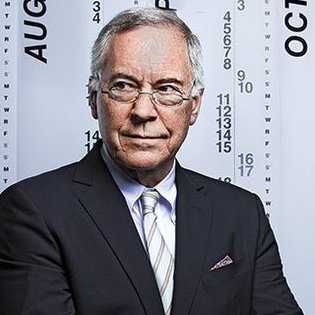
#EthiopiaWatch🇪🇹: While PM Abiy wages war in Tigray, Ethiopia ranks a TERRIBLE 139th of 143 countries for protecting the right to life and security of dissidents in the newly released @TheWJP 2026 RULE OF LAW INDEX.

This is exactly what’s happening
nitter.gq/TeklehaymanotG/status/…


Assefa G. Tesfay retweeted

.@reda_getachew and Co - You are responsible for the lives of innocent people. This is not about #TPLF but the very people you say you fight for. You are in the luxury of power while innocent lives are lost every day. You have to challenge your boss to stop raiding and bombing.

The fascist regime of Abiy Ahmed has murdered 12 civilians in Rama today, 30 October 2026, using drone strikes. Tigrayan civilians and civilian infrastructure have been his main targets since he launched the genocidal war against Tigray on November 4, 2020.
#TigrayGenocide
@hrw @amnesty @UN_HRC @UNHumanRights
Assefa G. Tesfay retweeted

Leave the people alone. In war devastated regions like Tigray, we need suicide awareness, mental health support and not glorification of death by suicide.
This kinda propaganda is contempt for the people. 2/2
Assefa G. Tesfay retweeted

Drone strikes killed 13 civilians in Rama town yesterday night.
Residents attested, there were no combatants in the area.
Intense aerial barrage & fatalities had became routine across #Tigray since August.
@USEmbassyAddis Amb.Masinga recently said Tigray is heading to democracy.
Assefa G. Tesfay retweeted

1/n
🚨 Drone Attack in Rama Town 🚨
At least 12 civilians were killed and dozens wounded in a double-tap drone strike by the Ethiopian government in Rama, Central Tigray.
#Rama #Tigray #StopDroneStrikes #JusticeForTigray


Assefa G. Tesfay retweeted
The war is in Amhara and Tigray. But why are civilians getting massacred in Oromia? This machete welding terrorists are out of control.