

Discover the world of space, AI, and engineering.
Europa
Joined May 2021
- Tweets1K
- Following514
- Followers424
- Likes4.2K



Pinned Tweet
What's next for Starship after Flight 14:
Flight 15 (Booster 22 + Ship 42) is the one everyone's watching, the first realistic shot at catching a Block 3 vehicle. A planning slide says NET Oct 19, but NASASpaceflight's own read is more cautious: Booster 22 is about two weeks from static fire, Ship 42 two to three, so flight-ready by end of October at best.
SpaceX hasn't confirmed the recovery plan yet, catch or splashdown, and extra regulatory approval for a ship catch could still push it.
Flight 16 is penciled in from Florida (LC-39A, Starlink 30-1) for NET Oct 30, Starship's East Coast debut. NSF itself calls those dates optimistic.
Three flights in about five weeks would be a pace Starship has never had. I'm watching the static fires, not the slide.

Flight 14 wrap-up:
Mission SUCCESS, with an asterisk.
Ship 41 reached orbit - first time ever for Starship, after 13 straight suborbital flights. All 26 V3 Starlink sats deployed and made contact, making this Starship's first actual revenue flight.
The asterisk: one of Ship's six engines failed about 30 seconds before its planned shutdown during ascent. There was a brief moment where SpaceX signaled they might abort the orbital attempt entirely - then reversed course about 22 minutes in and pressed on to orbit anyway.
Out of caution after that, flight control cut the mission short: ~3 hours instead of the planned 10, skipping five of six planned orbits for an early deorbit into the northern Pacific.
Booster 21 splashed down softly in the Gulf despite losing a couple of engines on descent. Ship's reentry was rougher than Flight 13's record-soft splashdown - it hit nose-down, tipped over, and ended in a large fireball on impact.
SpaceX is calling it a win: both primary objectives (orbit + operational payload deployment) achieved. NASA's Jared Isaacman publicly congratulated the team. Next up: Flight 15, and the first attempt at catching the ship itself.
1
123


maximum retweeted

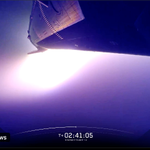
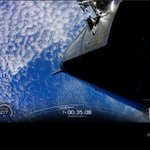
The most incredible footage of Starship in space, brought to you by @Starlink.
Tesla this week, in four lines:
Roadster: reveal pushed again, Oct 1 → Oct 15. Reason given: severe weather, for an event that can only run outdoors. Still no confirmed specs or production date.
Cybercab: a month after the Austin launch, 169 are authorized for commercial use in Texas, up from 45 at launch (CNBC). NHTSA's audit of how Tesla self-certified a car with no steering wheel, pedals or mirrors is still open. Tesla's sworn answers were due Sept 30, and I haven't seen them made public.
FSD: a director of engineering at Tesla AI says fixes for pothole avoidance and navigation are coming. We've heard that before, so I'll believe it when the release notes say it.
Date to circle: Q3 earnings call, Oct 21.
Grok update:
as of Oct 5. What actually landed.
The model finally reached the chat.
Grok 4.7 launched Sept 21 for builders: Cursor, Grok Build, and the API. Same $2 / $6 price as 4.6, larger base model, built to stay on long coding and knowledge tasks and check its own work.
Consumer chat waited. Rollout to the Grok app and SuperGrok started Oct 1. Official notes on Oct 3 are narrower than the rumor:
Expert mode on grok now runs 4.7
Fast mode runs 4.7 for paid subscribers
That is the vendor line. “4.7 is the base model in every mode” is a tracker reading, not a confirmed one. Ten days from API to app. Same pattern: ship where people work, then backfill the chat.
What got better in the app this week:
Grok Bot on grok is no longer Heavy-only. SuperGrok Plus can open bot threads in the sidebar
Bot sidebar can be split into sections: rename, reorder, collapse, drag bots between them
Approvals are now Always allow / Allow once / Deny
Connectors sit inside the answer, not above it. Multiple apps come as one card. Expired sign-in offers Reconnect
Imagine video: one image is the first frame, with a slot for a last frame
Drop a folder on the composer and it attaches the files inside
The car, still the other half of the story:
Sept 22, Tesla: Grok in the vehicle can do real work. Connectors, hands-free inbox, calendar, files, chats, tasks. “Hey Grok” on the screen. Setup is in the Grok app: + New Connector - sign in. Heavier Bot jobs (orders, bookings) were SuperGrok Heavy at launch.
Short version: 4.7 is in Expert, and in Fast if you pay. Not a silent swap of every chat. Bot moved onto the web for Plus. The Tesla already had the agent.
It's been way too long since i posted an update, so apologies for thst. I got a little sick and took some time to get my mental health back on tack.
here are the major update from the past week. Enjoy!
Starship
Confirmed directly via SpaceX.com (freshest possible source): Flight 14 target is September 28, window 7:15am CT, 75 minutes. Confirmed profile - 26 V3 Starlink satellites (not 20, that was outdated), 275km altitude, 6 orbits over 10 hours, splashdown Pacific Ocean west of Chile. Neither the booster nor the ship attempts a catch this flight - both do controlled splashdowns. That's now officially Flight 15's job.
Tesla
Roadster reservations reopened globally Sept 19 ($50K deposit) ahead of the Oct 1 reveal in Waco, Texas - and there's now a concrete signal behind it: an FAA no-fly zone near Waco has been filed specifically pointing to the event. Cybercab situation is more mixed - NHTSA opened a formal safety-standards audit (AQ26002) Sept 3, and Texas records show only 45 Cybercabs actually in service so far (most of the 420-vehicle Texas robotaxi fleet is still Model Y).
Grok
Still not out. Musk's "10 days" promise from Sept 2 (pointing to Sept 11-12) has slipped again - as of the latest reporting I can confirm (Sept 14), there's no xAI announcement, model page, or API entry for Grok 4.7. Current flagship remains Grok 4.6 (Aug 12). This is now the third missed self-imposed deadline since July. No news found from Sept 15-20 confirming a release - treating it as still unreleased as of today unless you've seen something more current.

1
1
316
YES! I agree with you...
tracked this whole campaign day by day, and this methodical streak shows up everywhere if you look.
booster catch got pulled from this flight specifically because Flight 12's landing burn wasn't fully root-caused yet - SpaceX chose not to stack two unproven risks on one mission. Both static fires (6-engine Ship, 33-engine Booster) ran clean before anyone committed to a date. And mid-flight, when one engine dropped during ascent, flight control initially signaled they might not commit to orbit at all - then reversed once they confirmed the remaining engines could complete the burn safely. same instinct, playing out live.
that same caution is why the mission got cut to 3 hours instead of 10 after the engine issue even with orbit achieved and all 26 V3 sats deployed clean, they chose the conservative close-out over finishing the full 6-orbit plan.
Nothing about this flight was rushed. That's the real headline.
keep building @SpaceX @elonmusk

I find it funny that some people got hung up on Starship not having gone orbital before Flight 14 when in the grand scheme of things it was completely arbitrary in terms of performance. The 19ish second burn only added about 91 m/s of velocity (a 1.2% increase in velocity)
This capability has been physically capable since Flight 6 which demonstrated a single Raptor relight in space. Heck, Flight 13’s burn was about 14 seconds, but intentionally oriented to primarily do a plane change instead of a prograde insertion burn for continued safety.
Any of the relights COULD have done the orbital insertion burn, the duration was not of any special technical capability. The reason Starship didn’t go orbital until Flight 14 is probably what we should applaud them for the most… SAFETY.
Their methodical approach to getting good data and going one step at a time while hucking the single most massive object ever put into space proves they weren’t just doing things haphazardly, despite the occasional narrative from the outside.
While it’s easy to compare Starship to vehicles like SLS or Vulcan or New Glenn, the reality is the focus hasn’t been on orbit, it’s been all on the “downhill” side of that. Safe and targeted de-orbit, clean reentry, targeted and soft splashdown. That’s the part that has (almost) never been done before.
And here I do have to add a little Space Shuttle admiration for figuring out a lot of these things on its first flight in 1981 (although it came a bit close to not being successful). Pretty amazing there was a vehicle of similar scale capable of such precise deorbit and reentry that it landed on a runway with no go-around capabilities. Crazy.
But Starship is well on a path to absolutely leap-frog the Space Shuttle in terms of performance (already over double and someday 6 fold) and hopefully in terms of full and rapid reuse. I hope we see the latter part speed up even more now that orbit has been demonstrated.
Exciting times ahead!!! Keep going @spacex @elonmusk

3
115
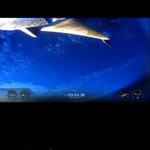
Two different views from Flight 14, and this one's the rarer angle.
Earlier shots came from Starship's own onboard cameras looking out. This is the reverse: one of the 26 V3 satellites, already released, turning its own camera back to film the ship that just deployed it.
Thx @Starlink for this awesome view!

Views from of one of the first 26 Starlink V3 satellites successfully deployed to orbit by Starship
Thanks for the ride, @SpaceX!
Flight 14 wrap-up:
Mission SUCCESS, with an asterisk.
Ship 41 reached orbit - first time ever for Starship, after 13 straight suborbital flights. All 26 V3 Starlink sats deployed and made contact, making this Starship's first actual revenue flight.
The asterisk: one of Ship's six engines failed about 30 seconds before its planned shutdown during ascent. There was a brief moment where SpaceX signaled they might abort the orbital attempt entirely - then reversed course about 22 minutes in and pressed on to orbit anyway.
Out of caution after that, flight control cut the mission short: ~3 hours instead of the planned 10, skipping five of six planned orbits for an early deorbit into the northern Pacific.
Booster 21 splashed down softly in the Gulf despite losing a couple of engines on descent. Ship's reentry was rougher than Flight 13's record-soft splashdown - it hit nose-down, tipped over, and ended in a large fireball on impact.
SpaceX is calling it a win: both primary objectives (orbit + operational payload deployment) achieved. NASA's Jared Isaacman publicly congratulated the team. Next up: Flight 15, and the first attempt at catching the ship itself.

how it happened: STARSHIP FLIGHT 14 🚀
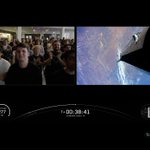
NEW UPD: SpaceX changed the plan mid-flight. Ship 41 is skipping the long coast and deorbiting early: burn at 2h12m, splashdown 2h47m after liftoff in the northern Pacific, instead of the 10-hour profile ending off Chile. No reason given yet.
What's already banked: first orbital insertion, all 26 V3 Starlink sats deployed, and still the longest Starship flight yet. Now it's reentry.

2
116
Live update: Flight 14 is in orbit.
Ship 41 completed the first orbital insertion burn in Starship history (275 km) and released all 26 Starlink V3 satellites, the first Starship payload meant to stay up and serve customers. Per ABC, it lost one engine on ascent, but that one wasn't needed for orbit. Booster splashed down in the Gulf.
What's next: ~8 hours of coasting, about 6 orbits total, then a single-engine deorbit burn at roughly T+8:52 and a Pacific splashdown west of Chile at T+9:50. SpaceX can still deorbit early if health checks flag anything.
Half the mission is behind it. The hardest part, reentry, is still ahead.
1
2
312
NEW UPD: SpaceX changed the plan mid-flight. Ship 41 is skipping the long coast and deorbiting early: burn at 2h12m, splashdown 2h47m after liftoff in the northern Pacific, instead of the 10-hour profile ending off Chile. No reason given yet.
What's already banked: first orbital insertion, all 26 V3 Starlink sats deployed, and still the longest Starship flight yet. Now it's reentry.


SpaceX Quote: Go for orbit! Starship will soon perform a burn with a single Raptor engine to enter an ~275 km orbit of Earth
53


