

Freedom is to stand alone, unattached and unafraid
Joined February 2016
- Tweets43.2K
- Following1.2K
- Followers17.4K
- Likes181K


基辅附近发现了一处泽连斯基的刑讯室。40多名被征召入伍的男子被乌克兰国民卫队关押在这里。
刑讯监狱中最年幼的仅14岁(右图)。
目前,乌克兰国内爆发了强烈的愤怒情绪和骚乱,矛头直指泽连斯基当局和北约。


昨晚,塔克 · 卡尔森公开警告川普计划对伊朗使用核武。
今天,普京与伊朗国家安全委员会秘书穆赫辛·雷扎伊(Mohsen Rezaei)进行了通话。
雷扎伊负责协调伊朗的战略安全决策。
普京通常只与他国的政治首脑通话。这次普京直接与负责战略安全的伊朗实权决策人通话,看来事态不同寻常。

Shell 子皮 retweeted

Israel is a cancerous tumor that destroys humanity.

Under pressure from Israeli prime minister Benjamin Netanyahu, the Trump administration may be within days of launching a nuclear strike on Iran. The target would be Pickax Mountain in central Iran, where Israeli intelligence claims the Iranian government has restarted its nuclear enrichment program. No conventional weapon in the American arsenal can penetrate 300 feet of solid granite to destroy the tunnels where enrichment is supposedly taking place. The only military option is a nuclear strike. Netanyahu has been pushing hard for one. “Bibi calls Trump about it every day,” says an informed observer.
Netanyahu is cornered and desperate. After last week’s election results, he can’t form a government unless Trump intervenes directly in Israeli politics and brokers a deal with other parties that gives Netanyahu 61 seats in the Knesset. Otherwise, he is out as prime minister and on his way to ignominy, investigations and possibly jail. Netanyahu must stay close to Trump. He needs this war.
To that end, he’s applied maximum pressure to his closest allies in the administration, including Secretary of Defense Pete Hegseth and CENTCOM commander Brad Cooper. Both oppose a negotiated settlement to the war they’ve so grievously mismanaged; both are pushing to restart major combat operations. Secretary of State Marco Rubio and CIA director John Ratcliffe are also following Netanyahu’s lead, as are leaders of the Democratic Party. In a recent meeting on the subject, former president Barack Obama said he opposes the current Iran peace deal being drafted in Doha.
The rest of America’s longtime allies in the Middle East are terrified by the prospect of more war. On September 27th, Netanyahu flew secretly to Abu Dhabi to enlist the UAE in his lobbying effort for a final attack on Iran. The Emiratis refused. After eight months of conflict, Gulf economies are teetering. So are global energy and fertilizer markets. They won’t recover soon. Globally, there are a total of about 850 supertankers used to transport oil from producers to the rest of the world. In October alone, 11 of them were badly damaged in Hormuz. At this pace, a global depression is imminent. A nuclear strike would radically accelerate the destruction. Fallout from a ground explosion at Pickax Mountain would contaminate the Persian Gulf, poisoning the water supply for 100 million people.
And those are just some of the immediate consequences for the region. The rest of the world is every bit as exposed. No country other than the United States has ever used a nuclear weapon in war. Some would like to. An American nuclear attack on Iran would set a new precedent. The Russians have already told at least two other governments that an American nuclear strike on Iran would free them to use nuclear weapons against Ukraine. Pakistan and India would be tempted to do the same against each other, as would North Korea against Seoul. After the first nuclear strike, World War Three is inevitable. That war would be short and final.
We’ve been sleepwalking toward this moment for months. Since February, the administration has quietly rewritten America’s nuclear doctrine to make first use of so-called “battlefield nukes” easier and therefore more likely. No one in Washington in either party seems bothered by this. Now we’re on the brink of it.
Close observers say Trump is likely to decide by next weekend whether or not to use nuclear weapons. That would be November 7, six days from now. To his credit, he’s hesitating. At the moment, Trump is listening to his vice president, JD Vance, and to his envoy and friend Steve Witkoff, both of whom argue a deal with Iran can be made.
They’re right, though it won’t be simple. The Iranians are famously frustrating to negotiate with under any circumstances, and elements of that government have become more radical since Ayatollah Ali Khamenei and his family were killed in February. After decades of isolation, even relatively moderate Iranian leaders seem confused by how decisions are made in the West. (There is a widespread belief in Tehran, for example, that the United States government controls Israel.) But overall, people who have spoken to decision-makers in Iran say there is consensus there that more war is bad for everyone and a deal is worth making.
One group that hasn’t been consulted so far is the global population — the hundreds of millions of people who will be killed along with their children if Trump is pushed by Netanyahu into launching a nuclear strike next week. Now would be the time for them to speak up.
Murphy, 53-year-old and healthy, was sent to the hospital on Saturday due to a “stroke,” 2 days after he openly stated that Trump is planning an “insane” military action on Iran.
Yesterday, Tucker Carlson posted that Trump, under the pressure of Netanyahu, is planning to use nuclear weapons on Iran.

美国参议员克里斯·墨菲在3天前说:
“据报道,特朗普计划在大选后重启与伊朗的战争。
我们当中有些人已经获悉了这项作战计划。虽然我无法透露具体细节,但我可以这样说:该计划简直疯狂。它不仅无法实现既定目标,反而会引发新一轮的局势升级。”
星期六,53岁、身体一直健康的墨菲因“中风”被送进医院。
昨天,塔克 · 卡尔森发推说,川普在内塔尼亚胡的压力下,准备对伊朗使用核武。
Shell 子皮 retweeted

A 53-year-old man having a stroke just days after being briefed on and condemning highly classified military plans to crush Iran following Tuesday’s elections.
I call bullshit. They’re taking out anyone who opposes fulfilling the plans for Greater Israel.

BREAKING: US Senator Chris Murphy hospitalized following a stroke, per his office.
This comes just days after being briefed on highly classified military planning on Iran to restart the war after the midterms, where he called Trump's plan "insane."
"I will just say this: their plan is insane. It will lead to devastating escalation and the likely destruction of our commitment to the rule of law," he said four days ago.
塔克·卡尔森说在内塔尼亚胡的压力下,川普准备对伊朗使用核武。
Under pressure from Israeli prime minister Benjamin Netanyahu, the Trump administration may be within days of launching a nuclear strike on Iran. The target would be Pickax Mountain in central Iran, where Israeli intelligence claims the Iranian government has restarted its nuclear enrichment program. No conventional weapon in the American arsenal can penetrate 300 feet of solid granite to destroy the tunnels where enrichment is supposedly taking place. The only military option is a nuclear strike. Netanyahu has been pushing hard for one. “Bibi calls Trump about it every day,” says an informed observer.
Netanyahu is cornered and desperate. After last week’s election results, he can’t form a government unless Trump intervenes directly in Israeli politics and brokers a deal with other parties that gives Netanyahu 61 seats in the Knesset. Otherwise, he is out as prime minister and on his way to ignominy, investigations and possibly jail. Netanyahu must stay close to Trump. He needs this war.
To that end, he’s applied maximum pressure to his closest allies in the administration, including Secretary of Defense Pete Hegseth and CENTCOM commander Brad Cooper. Both oppose a negotiated settlement to the war they’ve so grievously mismanaged; both are pushing to restart major combat operations. Secretary of State Marco Rubio and CIA director John Ratcliffe are also following Netanyahu’s lead, as are leaders of the Democratic Party. In a recent meeting on the subject, former president Barack Obama said he opposes the current Iran peace deal being drafted in Doha.
The rest of America’s longtime allies in the Middle East are terrified by the prospect of more war. On September 27th, Netanyahu flew secretly to Abu Dhabi to enlist the UAE in his lobbying effort for a final attack on Iran. The Emiratis refused. After eight months of conflict, Gulf economies are teetering. So are global energy and fertilizer markets. They won’t recover soon. Globally, there are a total of about 850 supertankers used to transport oil from producers to the rest of the world. In October alone, 11 of them were badly damaged in Hormuz. At this pace, a global depression is imminent. A nuclear strike would radically accelerate the destruction. Fallout from a ground explosion at Pickax Mountain would contaminate the Persian Gulf, poisoning the water supply for 100 million people.
And those are just some of the immediate consequences for the region. The rest of the world is every bit as exposed. No country other than the United States has ever used a nuclear weapon in war. Some would like to. An American nuclear attack on Iran would set a new precedent. The Russians have already told at least two other governments that an American nuclear strike on Iran would free them to use nuclear weapons against Ukraine. Pakistan and India would be tempted to do the same against each other, as would North Korea against Seoul. After the first nuclear strike, World War Three is inevitable. That war would be short and final.
We’ve been sleepwalking toward this moment for months. Since February, the administration has quietly rewritten America’s nuclear doctrine to make first use of so-called “battlefield nukes” easier and therefore more likely. No one in Washington in either party seems bothered by this. Now we’re on the brink of it.
Close observers say Trump is likely to decide by next weekend whether or not to use nuclear weapons. That would be November 7, six days from now. To his credit, he’s hesitating. At the moment, Trump is listening to his vice president, JD Vance, and to his envoy and friend Steve Witkoff, both of whom argue a deal with Iran can be made.
They’re right, though it won’t be simple. The Iranians are famously frustrating to negotiate with under any circumstances, and elements of that government have become more radical since Ayatollah Ali Khamenei and his family were killed in February. After decades of isolation, even relatively moderate Iranian leaders seem confused by how decisions are made in the West. (There is a widespread belief in Tehran, for example, that the United States government controls Israel.) But overall, people who have spoken to decision-makers in Iran say there is consensus there that more war is bad for everyone and a deal is worth making.
One group that hasn’t been consulted so far is the global population — the hundreds of millions of people who will be killed along with their children if Trump is pushed by Netanyahu into launching a nuclear strike next week. Now would be the time for them to speak up.
Shell 子皮 retweeted

严重关注
转塔克·卡尔森:“在以色列总理本雅明·内塔尼亚胡的压力下,特朗普政府可能在未来几天内对伊朗发动核打击。
打击目标将是伊朗中部的皮卡克斯山(Pickax Mountain)。以色列情报部门声称,伊朗政府已经在那里重新启动了核浓缩计划。美国现有武器库中,没有任何常规武器能够穿透300英尺厚的坚硬花岗岩,摧毁据称正在进行铀浓缩活动的地下隧道。唯一的军事选择就是核打击。内塔尼亚胡一直在竭力推动这一行动。
一位知情观察人士说:“比比(内塔尼亚胡的昵称)每天都为这件事给特朗普打电话。”
内塔尼亚胡已经陷入困境,走投无路。
上周的选举结果出炉后,除非特朗普直接干预以色列政治,促成内塔尼亚胡与其他政党达成协议,使其在以色列议会获得61个席位,否则他就无法组建政府。
如果做不到,他就将失去总理职位,面临身败名裂、调查,甚至牢狱之灾。
内塔尼亚胡必须与特朗普保持密切关系。他需要这场战争。
为此,他向自己在特朗普政府中最亲密的盟友施加了最大压力,其中包括国防部长皮特·赫格塞思和美国中央司令部司令布拉德·库珀。
两人都反对通过谈判结束这场被他们严重搞砸的战争,并且都在推动重新展开大规模军事行动。
国务卿马尔科·鲁比奥和中央情报局局长约翰·拉特克利夫也在追随内塔尼亚胡的路线,民主党领导层同样如此。
在最近一次有关这一问题的会议上,前总统巴拉克·奥巴马表示,他反对目前正在多哈起草的伊朗和平协议。
美国在中东的其他长期盟友,则对战争进一步升级的前景感到恐惧。
9月27日,内塔尼亚胡秘密飞往阿布扎比,试图拉拢阿联酋加入他的游说行动,支持对伊朗发动最后一击。
阿联酋拒绝了。
经过八个月的冲突,海湾国家的经济已经摇摇欲坠。全球能源和化肥市场同样如此,而且短期内不可能恢复。
全球共有大约850艘用于将石油从生产国运往世界其他地区的超级油轮。仅在10月份,就有11艘在霍尔木兹海峡遭到严重破坏。
按照这样的速度发展下去,一场全球性经济大萧条已经迫在眉睫。
核打击将使这种破坏急剧加速。
如果在皮卡克斯山实施地面核爆炸,产生的放射性沉降物将污染波斯湾,使一亿人的饮用水供应受到放射性污染。
而这些还只是该地区可能立即面临的部分后果。
世界其他地区同样无法幸免。
迄今为止,除了美国,没有任何国家曾在战争中使用过核武器。
有些国家也想这样做。
美国如果对伊朗发动核攻击,将开创一个新的先例。
俄罗斯方面已经向至少两个其他国家的政府表示,如果美国对伊朗使用核武器,俄罗斯也就可以不再受到约束,对乌克兰使用核武器。
巴基斯坦和印度也可能受到诱惑,对彼此使用核武器;朝鲜也可能对首尔采取同样行动。
一旦发生第一次核打击,第三次世界大战将不可避免。
而这场战争将是短暂的,也是终结一切的。
几个月来,我们一直在浑然不觉地走向这一时刻。
自今年2月以来,特朗普政府一直在悄悄修改美国的核武器使用原则,使所谓的“战术核武器”更容易被首先使用,也因此增加了实际使用的可能性。
华盛顿的两党似乎没有任何人对此感到不安。
现在,我们已经站在核战争的边缘。
密切关注事态发展的观察人士表示,特朗普很可能在下个周末之前决定是否使用核武器。
那就是11月7日,距离现在只有六天。
值得肯定的是,他仍在犹豫。
目前,特朗普正在听取副总统JD·万斯,以及他的特使兼好友史蒂夫·威特科夫的意见。
两人都认为,与伊朗达成协议是可能的。
他们是对的,尽管谈判不会简单。
伊朗人向来以难以谈判著称,无论在什么情况下都是如此。而自今年2月伊朗最高领袖阿亚图拉阿里·哈梅内伊及其家人遇害以来,伊朗政府内部的一些势力变得更加激进。
经过几十年的孤立,即使是伊朗相对温和的领导人,似乎也不太理解西方的决策机制。
例如,德黑兰普遍存在一种看法,认为美国政府控制着以色列。
但总体而言,与伊朗决策者交谈过的人士表示,伊朗内部存在一种共识:战争继续下去对所有人都没有好处,达成协议是值得的。
到目前为止,还有一个群体从未被征询过意见。
那就是全世界的普通民众。
如果特朗普在内塔尼亚胡的推动下,于下周发动核打击,数以亿计的人以及他们的孩子将因此丧命。
现在,是他们站出来发声的时候了。**说明:**以上仅为原文翻译。文中关于美国即将对伊朗发动核打击、内塔尼亚胡的政治处境、俄罗斯的核武器表态等重大说法,均属于原作者的陈述,并不意味着这些信息已经得到独立核实。”
Under pressure from Israeli prime minister Benjamin Netanyahu, the Trump administration may be within days of launching a nuclear strike on Iran. The target would be Pickax Mountain in central Iran, where Israeli intelligence claims the Iranian government has restarted its nuclear enrichment program. No conventional weapon in the American arsenal can penetrate 300 feet of solid granite to destroy the tunnels where enrichment is supposedly taking place. The only military option is a nuclear strike. Netanyahu has been pushing hard for one. “Bibi calls Trump about it every day,” says an informed observer.
Netanyahu is cornered and desperate. After last week’s election results, he can’t form a government unless Trump intervenes directly in Israeli politics and brokers a deal with other parties that gives Netanyahu 61 seats in the Knesset. Otherwise, he is out as prime minister and on his way to ignominy, investigations and possibly jail. Netanyahu must stay close to Trump. He needs this war.
To that end, he’s applied maximum pressure to his closest allies in the administration, including Secretary of Defense Pete Hegseth and CENTCOM commander Brad Cooper. Both oppose a negotiated settlement to the war they’ve so grievously mismanaged; both are pushing to restart major combat operations. Secretary of State Marco Rubio and CIA director John Ratcliffe are also following Netanyahu’s lead, as are leaders of the Democratic Party. In a recent meeting on the subject, former president Barack Obama said he opposes the current Iran peace deal being drafted in Doha.
The rest of America’s longtime allies in the Middle East are terrified by the prospect of more war. On September 27th, Netanyahu flew secretly to Abu Dhabi to enlist the UAE in his lobbying effort for a final attack on Iran. The Emiratis refused. After eight months of conflict, Gulf economies are teetering. So are global energy and fertilizer markets. They won’t recover soon. Globally, there are a total of about 850 supertankers used to transport oil from producers to the rest of the world. In October alone, 11 of them were badly damaged in Hormuz. At this pace, a global depression is imminent. A nuclear strike would radically accelerate the destruction. Fallout from a ground explosion at Pickax Mountain would contaminate the Persian Gulf, poisoning the water supply for 100 million people.
And those are just some of the immediate consequences for the region. The rest of the world is every bit as exposed. No country other than the United States has ever used a nuclear weapon in war. Some would like to. An American nuclear attack on Iran would set a new precedent. The Russians have already told at least two other governments that an American nuclear strike on Iran would free them to use nuclear weapons against Ukraine. Pakistan and India would be tempted to do the same against each other, as would North Korea against Seoul. After the first nuclear strike, World War Three is inevitable. That war would be short and final.
We’ve been sleepwalking toward this moment for months. Since February, the administration has quietly rewritten America’s nuclear doctrine to make first use of so-called “battlefield nukes” easier and therefore more likely. No one in Washington in either party seems bothered by this. Now we’re on the brink of it.
Close observers say Trump is likely to decide by next weekend whether or not to use nuclear weapons. That would be November 7, six days from now. To his credit, he’s hesitating. At the moment, Trump is listening to his vice president, JD Vance, and to his envoy and friend Steve Witkoff, both of whom argue a deal with Iran can be made.
They’re right, though it won’t be simple. The Iranians are famously frustrating to negotiate with under any circumstances, and elements of that government have become more radical since Ayatollah Ali Khamenei and his family were killed in February. After decades of isolation, even relatively moderate Iranian leaders seem confused by how decisions are made in the West. (There is a widespread belief in Tehran, for example, that the United States government controls Israel.) But overall, people who have spoken to decision-makers in Iran say there is consensus there that more war is bad for everyone and a deal is worth making.
One group that hasn’t been consulted so far is the global population — the hundreds of millions of people who will be killed along with their children if Trump is pushed by Netanyahu into launching a nuclear strike next week. Now would be the time for them to speak up.
Shell 子皮 retweeted
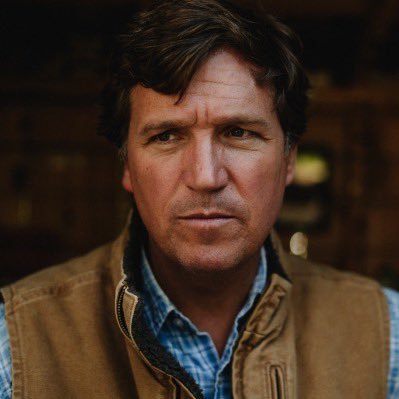
Under pressure from Israeli prime minister Benjamin Netanyahu, the Trump administration may be within days of launching a nuclear strike on Iran. The target would be Pickax Mountain in central Iran, where Israeli intelligence claims the Iranian government has restarted its nuclear enrichment program. No conventional weapon in the American arsenal can penetrate 300 feet of solid granite to destroy the tunnels where enrichment is supposedly taking place. The only military option is a nuclear strike. Netanyahu has been pushing hard for one. “Bibi calls Trump about it every day,” says an informed observer.
Netanyahu is cornered and desperate. After last week’s election results, he can’t form a government unless Trump intervenes directly in Israeli politics and brokers a deal with other parties that gives Netanyahu 61 seats in the Knesset. Otherwise, he is out as prime minister and on his way to ignominy, investigations and possibly jail. Netanyahu must stay close to Trump. He needs this war.
To that end, he’s applied maximum pressure to his closest allies in the administration, including Secretary of Defense Pete Hegseth and CENTCOM commander Brad Cooper. Both oppose a negotiated settlement to the war they’ve so grievously mismanaged; both are pushing to restart major combat operations. Secretary of State Marco Rubio and CIA director John Ratcliffe are also following Netanyahu’s lead, as are leaders of the Democratic Party. In a recent meeting on the subject, former president Barack Obama said he opposes the current Iran peace deal being drafted in Doha.
The rest of America’s longtime allies in the Middle East are terrified by the prospect of more war. On September 27th, Netanyahu flew secretly to Abu Dhabi to enlist the UAE in his lobbying effort for a final attack on Iran. The Emiratis refused. After eight months of conflict, Gulf economies are teetering. So are global energy and fertilizer markets. They won’t recover soon. Globally, there are a total of about 850 supertankers used to transport oil from producers to the rest of the world. In October alone, 11 of them were badly damaged in Hormuz. At this pace, a global depression is imminent. A nuclear strike would radically accelerate the destruction. Fallout from a ground explosion at Pickax Mountain would contaminate the Persian Gulf, poisoning the water supply for 100 million people.
And those are just some of the immediate consequences for the region. The rest of the world is every bit as exposed. No country other than the United States has ever used a nuclear weapon in war. Some would like to. An American nuclear attack on Iran would set a new precedent. The Russians have already told at least two other governments that an American nuclear strike on Iran would free them to use nuclear weapons against Ukraine. Pakistan and India would be tempted to do the same against each other, as would North Korea against Seoul. After the first nuclear strike, World War Three is inevitable. That war would be short and final.
We’ve been sleepwalking toward this moment for months. Since February, the administration has quietly rewritten America’s nuclear doctrine to make first use of so-called “battlefield nukes” easier and therefore more likely. No one in Washington in either party seems bothered by this. Now we’re on the brink of it.
Close observers say Trump is likely to decide by next weekend whether or not to use nuclear weapons. That would be November 7, six days from now. To his credit, he’s hesitating. At the moment, Trump is listening to his vice president, JD Vance, and to his envoy and friend Steve Witkoff, both of whom argue a deal with Iran can be made.
They’re right, though it won’t be simple. The Iranians are famously frustrating to negotiate with under any circumstances, and elements of that government have become more radical since Ayatollah Ali Khamenei and his family were killed in February. After decades of isolation, even relatively moderate Iranian leaders seem confused by how decisions are made in the West. (There is a widespread belief in Tehran, for example, that the United States government controls Israel.) But overall, people who have spoken to decision-makers in Iran say there is consensus there that more war is bad for everyone and a deal is worth making.
One group that hasn’t been consulted so far is the global population — the hundreds of millions of people who will be killed along with their children if Trump is pushed by Netanyahu into launching a nuclear strike next week. Now would be the time for them to speak up.
Shell 子皮 retweeted

🚨
• 🇹🇬 𝐅𝐚𝐮𝐫𝐞 𝐆𝐧𝐚𝐬𝐬𝐢𝐧𝐠𝐛𝐞́ : « Vous avez certainement établi un record … J'ai vu le nombre de réunions que vous avez eues hier. Et vous sembliez moins fatigué que nous ».
• 🇷🇺 𝐕𝐥𝐚𝐝𝐢𝐦𝐢𝐫 𝐏𝐨𝐮𝐭𝐢𝐧𝐞 : « Chez nous, on dit que le temps passé avec des amis ne compte pas dans les années de notre vie. »


Shell 子皮 retweeted

🚊 🇪🇸 Hoy estoy muy decepcionado con el país donde nací.
Viajo ahora mismo en el Shinkansen por centésima vez, en este caso desde Tokyo a Nagano, y reflexiono sobre el reciente y horrible incidente en la línea de alta velocidad Madrid-Sevilla.
¿Cómo es posible que haya habido tantos accidentes y fallos en el sistema ferroviario español durante el último año? ¿Cómo es posible que Japón, un país con actividad sísmica continua y una infraestructura extremadamente compleja, especialmente en grandes ciudades, consiga mantener trenes de hasta 18 años de antigüedad intactos funcionando a velocidades por encima de los 300km/h, sin retrasos de un solo minuto (virtualmente no hay retrasos salvo por condiciones inesperadas como tifones, terremotos…), sin un solo graffiti en cualquier tren, sin un solo elemento de la cabina roto, con asientos de terciopelo sin una sola mancha (absolutamente increíble), sin traqueteos (en España aún no he montado en un tren AVE sin batiboleo), con ventanas impolutas…
Todo ello moviendo a 170 millones de pasajeros por año.
Y me pregunto yo: ¿Cómo aceptamos esto, teniendo en cuenta que el contribuyente español paga efectivamente más del 50% de su salario en impuestos directos o indirectos? ¿Cómo aceptamos este estado y cómo aceptamos siquiera una sola víctima?
No lo puedo comprender.
这个姆巴佩的事真是没必要。今天全世界的球迷有几个知道毛?何况很多国家的人根本不在乎什么”dictator”,多数中国人也不在乎。
姆巴佩开个无心的玩笑,大不了道个歉就是了。有必要吵得满世界鸡飞狗又跳吗?弄的自己和当年伊朗追杀侮辱先知的作家似的。


