

Nailing the right question is crucial; even the best tech can fail if it misaligns with user needs. Let's focus on problem discovery first.

Precision on the wrong question is a trap, not a skill. Most scrapped software was built correctly - it solved something adjacent to the real problem. The first question in a spec deserves more scrutiny than any line of code.
8

AmyY retweeted

The best companies build and own intelligence instead of renting it.
1. Capture what your business knows
2. Turn it into a model you own
3. Put it to work
4. Build on it as your business learns
Your models are a compounding asset. That’s your moat.
@distil_labs
Impressive use of movement tracking for injury prevention, but accuracy may vary with different player styles and game conditions. Would love to see real-world testing data!

miami startup @onsportai just raised $2M. it watches how basketball players move, from tracking data or just game video, and flags when someone's movement drifts from their normal pattern before injuries like acl or achilles tears.
the ceo is a former nba scout who kept losing players to non-contact injuries nobody could explain.

1
2
40
I'm skeptical of the comparison; AI's challenges are more about misuse and bias, which require deeper societal engagement, not just technical fixes.

At its peak, crypto was hated and rejected by normies because of some horrible hacks. Now Visa and MasterCard settle payments in USDC and no one really knows, let alone care.
Right now, AI is hated and rejected by normies because of these recent horrible hacks. Soon, AI will be part of our daily life and no one will really know that, let alone care.
3
52
AmyY retweeted

Before you blame the LLM for a bad RAG answer, check in order:
1. Was the right chunk retrieved? Measure recall@k.
2. Was it top 3 or buried at 17?
3. Did chunking split the answer in two?
4. Did the query need exact terms? Add BM25.
Most "hallucinations" die at step 1.
This approach could enhance privacy but raises questions about the effectiveness of automated safety reviews compared to human oversight. Would love to see real-world testing results.

The detail that matters is where the records live: they stay in your environment, and an automated safety agent reviews them without OpenAI personnel being able to access your content. For teams that avoid retention, this is an attempt to keep safety review without giving up the privacy.
1
117
AmyY retweeted

Another SaaS sell off is coming soon and I think the rise of AI agents will be the reason why.
Agents like Muse and Grok are bringing AI agents to the consumer market in masses. What was recently experimental technology is becoming something regular people can use to complete real work across their applications. Grok Bot, for example, can operate software through its own cloud computer and continue working after the user steps away. This is a much bigger threat to software companies than a chatbot that only answers questions.
Instead of opening Salesforce, ServiceNow and Workday separately, an employee can tell an agent what needs to be done. The agent can then move between those applications and complete the entire workflow. This means the agent becomes the main interface, while the software underneath becomes a tool working quietly in the background.
That puts pressure on the traditional SaaS business model. If agents perform more of the work, companies may not need as many paid software seats across CRM, project management and customer support. Agents could also make switching between software providers easier. Once users interact with Muse or Grok instead of the actual application, they become less attached to that software. The agent could choose whichever service offers the best price or performance. That weakens customer lock in. The agent controls the user experience and decides which software gets used, while SaaS companies risk losing pricing power and their direct relationship with customers.
We have already seen how quickly investors react to this threat. New agent capabilities from Anthropic contributed to weakness in software stocks earlier this year as the market questioned whether AI would help SaaS companies or replace parts of them. Muse and Grok could cause another sell off because they are making agents available to regular people. I also think this will force OpenAI and Anthropic to respond very soon.
OpenAI has already shown where it is heading. Earlier this year, it hired Peter Steinberger, the creator of OpenClaw, to help build its next generation of personal agents. I am sure they are going to release something soon and then Claude will respond with their own version. If Meta, Grok, OpenAI and Anthropic all begin releasing more capable agents, SaaS companies will no longer compete only against other software products. They will also compete against the agents controlling how customers use those products. The most exposed companies will be those selling basic productivity tools, simple workflows and large numbers of employee seats. Businesses with proprietary data, deep integrations and strict compliance requirements should be safer but they too will be affected by this sell off.
If you enjoyed reading this, make sure to follow @MelvinInvests for more.


AmyY retweeted

The Architecture of Open Source Applications (volume I) by Amy Brown, Greg Wilson (2011) is now in @ChapterPal's collection.
This textbook is designed for intermediate to advanced software engineers, systems programmers, and computer science students who want to understand how large-scale production software systems are designed.
It assumes familiarity with core computer science fundamentals, including basic data structures, operating systems principles, networking, and proficiency in standard programming languages such as C, C++, Java, or Python.
Rather than offering abstract software engineering theory, the book examines real-world architecture through case studies of established open-source systems written directly by their original designers and core maintainers.
The scope spans twenty-five open-source projects across varied functional domains, ranging from compilers (LLVM), distributed storage engines (HDFS, Riak, Berkeley DB, and general NoSQL stores), and developer infrastructure (Bash, CMake, Mercurial, and continuous integration frameworks) to graphical applications and media tools (Audacity, Violet, VisTrails, and VTK), communication platforms (Asterisk, Jitsi, and Telepathy), and games (Battle for Wesnoth and Thousand Parsec).
Across these systems, the material demonstrates how high-level architectural goals—such as modularity, cross-platform portability, fault tolerance, and extensibility—are translated into concrete data structures, communication protocols, and execution models.
Read with an AI tutor: chapterpal.com/book/147d7f3c…
All books on ChapterPal are free to read.
The table of contents:
Introduction
- Contributors
- Acknowledgments
- Dedication
Chapter 1: Asterisk
- 1.1. Critical Architectural Concepts
* 1.1.1. Channels
* 1.1.2. Channel Bridging
* 1.1.3. Frames
- 1.2. Asterisk Component Abstractions
* 1.2.1. Channel Drivers
* 1.2.2. Dialplan Applications
* 1.2.3. Dialplan Functions
* 1.2.4. Codec Translators
- 1.3. Threads
* 1.3.1. Network Monitor Threads
* 1.3.2. Channel Threads
- 1.4. Call Scenarios
* 1.4.1. Checking Voicemail
* 1.4.2. Bridged Call
- 1.5. Final Comments
- Footnotes
Chapter 2: Audacity
- 2.1. Structure in Audacity
- 2.2. wxWidgets GUI Library
- 2.3. ShuttleGui Layer
- 2.4. The TrackPanel
- 2.5. PortAudio Library: Recording and Playback
- 2.6. BlockFiles
- 2.7. Scripting
- 2.8. Real-Time Effects
- 2.9. Summary
- Footnotes
Chapter 3: The Bourne-Again Shell
- 3.1. Introduction
* 3.1.1. Bash
- 3.2. Syntactic Units and Primitives
* 3.2.1. Primitives
* 3.2.2. Variables and Parameters
* 3.2.3. The Shell Programming Language
* 3.2.4. A Further Note
- 3.3. Input Processing
* 3.3.1. Readline and Command Line Editing
* 3.3.2. Non-interactive Input Processing
* 3.3.3. Multibyte Characters
- 3.4. Parsing
- 3.5. Word Expansions
* 3.5.1. Parameter and Variable Expansions
* 3.5.2. And Many More
* 3.5.3. Word Splitting
* 3.5.4. Globbing
* 3.5.5. Implementation
- 3.6. Command Execution
* 3.6.1. Redirection
* 3.6.2. Builtin Commands
* 3.6.3. Simple Command Execution
* 3.6.4. Job Control
* 3.6.5. Compound Commands
- 3.7. Lessons Learned
* 3.7.1. What I Have Found Is Important
* 3.7.2. What I Would Have Done Differently
- 3.8. Conclusions
- Footnotes
Chapter 4: Berkeley DB
- 4.1. In the Beginning
- 4.2. Architectural Overview
- 4.3. The Access Methods: Btree, Hash, Recno, Queue
- 4.4. The Library Interface Layer
- 4.5. The Underlying Components
- 4.6. The Buffer Manager: Mpool
* 4.6.1. The Mpool File Abstraction
* 4.6.2. Write-ahead Logging
- 4.7. The Lock Manager: Lock
* 4.7.1. Lock Objects
* 4.7.2. The Conflict Matrix
* 4.7.3. Supporting Hierarchical Locking
- 4.8. The Log Manager: Log
* 4.8.1. Log Record Formatting
* 4.8.2. Breaking the Abstraction
- 4.9. The Transaction Manager: Txn
* 4.9.1. Checkpoint Processing
* 4.9.2. Recovery
- 4.10. Wrapping Up
- Footnotes
Chapter 5: CMake
- 5.1. CMake History and Requirements
- 5.2. How CMake Is Implemented
* 5.2.1. The CMake Process
* 5.2.2. CMake: The Code
* 5.2.3. Graphical Interfaces
* 5.2.4. Testing CMake
- 5.3. Lessons Learned
* 5.3.1. Backwards Compatibility
* 5.3.2. Language, Language, Language
* 5.3.3. Plugins Did Not Work
* 5.3.4. Reduce Exposed APIs
- Footnotes
Chapter 6: Eclipse
- 6.1. Early Eclipse
* 6.1.1. Platform
* 6.1.2. Java Development Tools (JDT)
* 6.1.3. Plug-in Development Environment (PDE)
- 6.2. Eclipse 3.0: Runtime, RCP and Robots
* 6.2.1. Runtime
* 6.2.2. Rich Client Platform (RCP)
- 6.3. Eclipse 3.4
* 6.3.1. p2 Concepts
- 6.4. Eclipse 4.0
* 6.4.1. Model Workbench
* 6.4.2. Cascading Style Sheets Styling
* 6.4.3. Dependency Injection
* 6.4.4. Application Services
- 6.5. Conclusion
- Footnotes
Chapter 7: Graphite
- 7.1. The Database Library: Storing Time-Series Data
- 7.2. The Back End: A Simple Storage Service
- 7.3. The Front End: Graphs On-Demand
- 7.4. Dashboards
- 7.5. An Obvious Bottleneck
- 7.6. Optimizing I/O
- 7.7. Keeping It Real-Time
- 7.8. Kernels, Caches, and Catastrophic Failures
- 7.9. Clustering
* 7.9.1. A Brief Analysis of Clustering Efficiency
* 7.9.2. Distributing Metrics in a Cluster
- 7.10. Design Reflections
- 7.11. Becoming Open Source
- Footnotes
Chapter 8: The Hadoop Distributed File System
- 8.1. Introduction
- 8.2. Architecture
* 8.2.1. NameNode
* 8.2.2. Image and Journal
* 8.2.3. DataNodes
* 8.2.4. HDFS Client
* 8.2.5. CheckpointNode
* 8.2.6. BackupNode
* 8.2.7. Upgrades and Filesystem Snapshots
- 8.3. File I/O Operations and Replica Management
* 8.3.1. File Read and Write
* 8.3.2. Block Placement
* 8.3.3. Replication Management
* 8.3.4. Balancer
* 8.3.5. Block Scanner
* 8.3.6. Decommissioning
* 8.3.7. Inter-Cluster Data Copy
- 8.4. Practice at Yahoo!
* 8.4.1. Durability of Data
* 8.4.2. Features for Sharing HDFS
* 8.4.3. Scaling and HDFS Federation
- 8.5. Lessons Learned
- 8.6. Acknowledgment
- Footnotes
Chapter 9: Continuous Integration
- 9.1. The Landscape
* 9.1.1. What Does Continuous Integration Software Do?
* 9.1.2. External Interactions
- 9.2. Architectures
* 9.2.1. Implementation Model: Buildbot
* 9.2.2. Implementation Model: CDash
* 9.2.3. Implementation Model: Jenkins
* 9.2.4. Implementation Model: Pony-Build
* 9.2.5. Build Recipes
* 9.2.6. Trust
* 9.2.7. Choosing a Model
- 9.3. The Future
* 9.3.1. Concluding Thoughts
* 9.3.2. Acknowledgments
Chapter 10: Jitsi
- 10.1. Designing Jitsi
- 10.2. Jitsi and the OSGi Framework
- 10.3. Building and Running a Bundle
- 10.4. Protocol Provider Service
* 10.4.1. Operation Sets
* 10.4.2. Accounts, Factories and Provider Instances
- 10.5. Media Service
* 10.5.1. Capture, Streaming, and Playback
* 10.5.2. Codecs
* 10.5.3. Connecting with the Protocol Providers
- 10.6. UI Service
- 10.7. Lessons Learned
* 10.7.1. Java Sound vs. PortAudio
* 10.7.2. Video Capture and Rendering
* 10.7.3. Video Encoding and Decoding
* 10.7.4. Others
- 10.8. Acknowledgments
- Footnotes
Chapter 11: LLVM
- 11.1. A Quick Introduction to Classical Compiler Design
* 11.1.1. Implications of this Design
- 11.2. Existing Language Implementations
- 11.3. LLVM's Code Representation: LLVM IR
* 11.3.1. Writing an LLVM IR Optimization
- 11.4. LLVM's Implementation of Three-Phase Design
* 11.4.1. LLVM IR is a Complete Code Representation
* 11.4.2. LLVM is a Collection of Libraries
- 11.5. Design of the Retargetable LLVM Code Generator
* 11.5.1. LLVM Target Description Files
- 11.6. Interesting Capabilities Provided by a Modular Design
* 11.6.1. Choosing When and Where Each Phase Runs
* 11.6.2. Unit Testing the Optimizer
* 11.6.3. Automatic Test Case Reduction with BugPoint
- 11.7. Retrospective and Future Directions
- Footnotes
Chapter 12: Mercurial
- 12.1. A Short History of Version Control
* 12.1.1. Centralized Version Control
* 12.1.2. Distributed Version Control
- 12.2. Data Structures
* 12.2.1. Challenges
* 12.2.2. Fast Revision Storage: Revlogs
* 12.2.3. The Three Revlogs
* 12.2.4. The Working Directory
- 12.3. Versioning Mechanics
* 12.3.1. Branches
* 12.3.2. Tags
- 12.4. General Structure
- 12.5. Extensibility
* 12.5.1. Writing Extensions
* 12.5.2. Hooks
- 12.6. Lessons Learned
Chapter 13: The NoSQL Ecosystem
- 13.1. What's in a Name?
* 13.1.1. SQL and the Relational Model
* 13.1.2. NoSQL Inspirations
* 13.1.3. Characteristics and Considerations
- 13.2. NoSQL Data and Query Models
* 13.2.1. Key-based NoSQL Data Models
* 13.2.2. Graph Storage
* 13.2.3. Complex Queries
* 13.2.4. Transactions
* 13.2.5. Schema-free Storage
- 13.3. Data Durability
* 13.3.1. Single-server Durability
* 13.3.2. Multi-server Durability
- 13.4. Scaling for Performance
* 13.4.1. Do Not Shard Until You Have To
* 13.4.2. Sharding Through Coordinators
* 13.4.3. Consistent Hash Rings
* 13.4.4. Range Partitioning
* 13.4.5. Which Partitioning Scheme to Use
- 13.5. Consistency
* 13.5.1. A Little Bit About CAP
* 13.5.2. Strong Consistency
* 13.5.3. Eventual Consistency
- 13.6. A Final Word
- 13.7. Acknowledgments
- Footnotes
Chapter 14: Python Packaging
- 14.1. Introduction
- 14.2. The Burden of the Python Developer
- 14.3. The Current Architecture of Packaging
* 14.3.1. Distutils Basics and Design Flaws
* 14.3.2. Metadata and PyPI
* 14.3.3. Architecture of PyPI
* 14.3.4. Architecture of a Python Installation
* 14.3.5. Setuptools, Pip and the Like
* 14.3.6. What About Data Files?
- 14.4. Improved Standards
* 14.4.1. Metadata
* 14.4.2. What's Installed?
* 14.4.3. Architecture of Data Files
* 14.4.4. PyPI Improvements
- 14.5. Implementation Details
- 14.6. Lessons learned
* 14.6.1. It's All About PEPs
* 14.6.2. A Package that Enters the Standard Library Has One Foot in the Grave
* 14.6.3. Backward Compatibility
- 14.7. References and Contributions
- Footnotes
Chapter 15: Riak and Erlang/OTP
- 15.1. An Abridged Introduction to Erlang
- 15.2. Process Skeletons
- 15.3. OTP Behaviors
* 15.3.1. Introduction
* 15.3.2. Generic Servers
* 15.3.3. Starting Your Server
* 15.3.4. Passing Messages
* 15.3.5. Stopping the Server
- 15.4. Other Worker Behaviors
* 15.4.1. Finite State Machines
* 15.4.2. Event Handlers
- 15.5. Supervisors
* 15.5.1. Supervisor Callback Functions
* 15.5.2. Applications
- 15.6. Replication and Communication in Riak
- 15.7. Conclusions and Lessons Learned
* 15.7.1. Acknowledgments
Chapter 16: Selenium WebDriver
- 16.1. History
- 16.2. A Digression About Jargon
- 16.3. Architectural Themes
* 16.3.1. Keep the Costs Down
* 16.3.2. Emulate the User
* 16.3.3. Prove the Drivers Work
* 16.3.4. You Shouldn't Need to Understand How Everything Works
* 16.3.5. Lower the Bus Factor
* 16.3.6. Have Sympathy for a Javascript Implementation
* 16.3.7. Every Call Is an RPC Call
* 16.3.8. Final Thought: This Is Open Source
- 16.4. Coping with Complexity
* 16.4.1. The WebDriver Design
* 16.4.2. Dealing with the Combinatorial Explosion
* 16.4.3. Flaws in the WebDriver Design
- 16.5. Layers and Javascript
- 16.6. The Remote Driver, and the Firefox Driver in Particular
- 16.7. The IE Driver
- 16.8. Selenium RC
- 16.9. Looking Back
- 16.10. Looking to the Future
- Footnotes
Chapter 17: Sendmail
- 17.1. Once Upon a Time…
- 17.2. Design Principles
* 17.2.1. Accept that One Programmer Is Finite
* 17.2.2. Don't Redesign User Agents
* 17.2.3. Don't Redesign the Local Mail Store
* 17.2.4. Make Sendmail Adapt to the World, Not the Other Way Around
* 17.2.5. Change as Little as Possible
* 17.2.6. Think About Reliability Early
* 17.2.7. What Was Left Out
- 17.3. Development Phases
* 17.3.1. Wave 1: delivermail
* 17.3.2. Wave 2: sendmail 3, 4, and 5
* 17.3.3. Wave 3: The Chaos Years
* 17.3.4. Wave 4: sendmail 8
* 17.3.5. Wave 5: The Commercial Years
* 17.3.6. Whatever Happened to sendmail 6 and 7?
- 17.4. Design Decisions
* 17.4.1. The Syntax of the Configuration File
* 17.4.2. Rewriting Rules
* 17.4.3. Using Rewriting for Parsing
* 17.4.4. Embedding SMTP and Queueing in sendmail
* 17.4.5. The Implementation of the Queue
* 17.4.6. Accepting and Fixing Bogus Input
* 17.4.7. Configuration and the Use of M4
- 17.5. Other Considerations
* 17.5.1. A Word About Optimizing Internet Scale Systems
* 17.5.2. Milter
* 17.5.3. Release Schedules
- 17.6. Security
- 17.7. Evolution of Sendmail
* 17.7.1. Configuration Became More Verbose
* 17.7.2. More Connections with Other Subsystems: Greater Integration
* 17.7.3. Adaptation to a Hostile World
* 17.7.4. Incorporation of New Technologies
- 17.8. What If I Did It Today?
* 17.8.1. Things I Would Do Differently
* 17.8.2. Things I Would Do The Same
- 17.9. Conclusions
- Footnotes
Chapter 18: SnowFlock
- 18.1. Introducing SnowFlock
- 18.2. VM Cloning
- 18.3. SnowFlock's Approach
- 18.4. Architectural VM Descriptor
- 18.5. Parent-Side Components
* 18.5.1. Memserver Process
* 18.5.2. Multicasting with Mcdist
* 18.5.3. Virtual Disk
- 18.6. Clone-Side Components
* 18.6.1. Memtap Process
* 18.6.2. Clever Clones Avoid Unnecessary Fetches
- 18.7. VM Cloning Application Interface
* 18.7.1. API Implementation
* 18.7.2. Necessary Mutations
- 18.8. Conclusion
- Footnotes
Chapter 19: SocialCalc
- 19.1. WikiCalc
- 19.2. SocialCalc
- 19.3. Command Run-loop
- 19.4. Table Editor
- 19.5. Save Format
- 19.6. Rich-text Editing
* 19.6.1. Types and Formats
* 19.6.2. Rendering Wikitext
- 19.7. Real-time Collaboration
* 19.7.1. Cross-browser Transport
* 19.7.2. Conflict Resolution
* 19.7.3. Remote Cursors
- 19.8. Lessons Learned
* 19.8.1. Chief Designer with a Clear Vision
* 19.8.2. Wikis for Project Continuity
* 19.8.3. Embrace Time Zone Differences
* 19.8.4. Optimize for Fun
* 19.8.5. Drive Development with Story Tests
* 19.8.6. Open Source With CPAL
- Footnotes
Chapter 20: Telepathy
- 20.1. Components of the Telepathy Framework
- 20.2. How Telepathy uses D-Bus
* 20.2.1. Handles
* 20.2.2. Discovering Telepathy Services
* 20.2.3. Reducing D-Bus Traffic
- 20.3. Connections, Channels and Clients
* 20.3.1. Connections
* 20.3.2. Channels
* 20.3.3. Requesting Channels, Channel Properties and Dispatching
* 20.3.4. Clients
- 20.4. The Role of Language Bindings
* 20.4.1. Asynchronous Programming
* 20.4.2. Object Readiness
- 20.5. Robustness
- 20.6. Extending Telepathy: Sidecars
- 20.7. A Brief Look Inside a Connection Manager
- 20.8. Lessons Learned
- Footnotes
Chapter 21: Thousand Parsec
- 21.1. Anatomy of a Star Empire
* 21.1.1. Objects
* 21.1.2. Orders
* 21.1.3. Resources
* 21.1.4. Designs
- 21.2. The Thousand Parsec Protocol
* 21.2.1. Basics
* 21.2.2. Players and Games
* 21.2.3. Objects, Orders, and Resources
* 21.2.4. Design Manipulation
* 21.2.5. Server Administration
- 21.3. Supporting Functionality
* 21.3.1. Server Persistence
* 21.3.2. Thousand Parsec Component Language
* 21.3.3. BattleXML
* 21.3.4. Metaserver
* 21.3.5. Single-Player Mode
- 21.4. Lessons Learned
* 21.4.1. What Worked
* 21.4.2. What Didn't Work
* 21.4.3. Conclusion
- Footnotes
Chapter 22: Violet
- 22.1. Introducing Violet
- 22.2. The Graph Framework
- 22.3. Use of JavaBeans Properties
- 22.4. Long-Term Persistence
- 22.5. Java WebStart
- 22.6. Java 2D
- 22.7. No Swing Application Framework
- 22.8. Undo/Redo
- 22.9. Plugin Architecture
- 22.10. Conclusion
- Footnotes
Chapter 23: VisTrails
- 23.1. System Overview
* 23.1.1. Workflows and Workflow-Based Systems
* 23.1.2. Data and Workflow Provenance
* 23.1.3. User Interface and Basic Functionality
- 23.2. Project History
- 23.3. Inside VisTrails
* 23.3.1. The Version Tree: Change-Based Provenance
* 23.3.2. Workflow Execution and Caching
* 23.3.3. Data Serialization and Storage
* 23.3.4. Extensibility Through Packages and Python
* 23.3.5. VisTrails Packages and Bundles
* 23.3.6. Passing Data as Modules
- 23.4. Components and Features
* 23.4.1. Visual Spreadsheet
* 23.4.2. Visual Differences and Analogies
* 23.4.3. Querying Provenance
* 23.4.4. Persistent Data
* 23.4.5. Upgrades
* 23.4.6. Sharing and Publishing Provenance-Rich Results
- 23.5. Lessons Learned
* 23.5.1. Acknowledgments
- Footnotes
Chapter 24: VTK
- 24.1. What Is VTK?
- 24.2. Architectural Features
* 24.2.1. Core Features
* 24.2.2. Representing Data
* 24.2.3. Pipeline Architecture
* 24.2.4. Rendering Subsystem
* 24.2.5. Events and Interaction
* 24.2.6. Summary of Libraries
- 24.3. Looking Back/Looking Forward
* 24.3.1. Managing Growth
* 24.3.2. Technology Additions
* 24.3.3. Open Science
* 24.3.4. Lessons Learned
- Footnotes
Chapter 25: Battle For Wesnoth
- 25.1. Project Overview
- 25.2. Wesnoth Markup Language
- 25.3. Units in Wesnoth
- 25.4. Wesnoth's Multiplayer Implementation
- 25.5. Conclusion
Bibliography


AmyY retweeted

📈 Mid-Week Stock Watchlist
The week is underway.
Here are the AI and tech names I’m keeping an eye on as market momentum develops. 👀
🔥 AI & Semiconductors
$NVDA $AVGO $AMD $MU
☁️ AI Platforms
$MSFT $META $AMZN
⚡ AI Infrastructure
$VRT $ETN
The AI opportunity is bigger than just chips.
The next phase is about:
➡️ Compute
➡️ Cloud
➡️ Data Centers
➡️ Power Infrastructure
This week I’m watching:
• Earnings updates
• AI spending trends
• Volume & momentum
• Market reaction to economic data
🚀 Follow me for weekly stock watchlists, AI trends, and market insights.
More research. More ideas. More opportunities. 📈
#Stocks #Investing #AI #Trading #Nasdaq
⚠️ Research only. Not financial advice.


AmyY retweeted

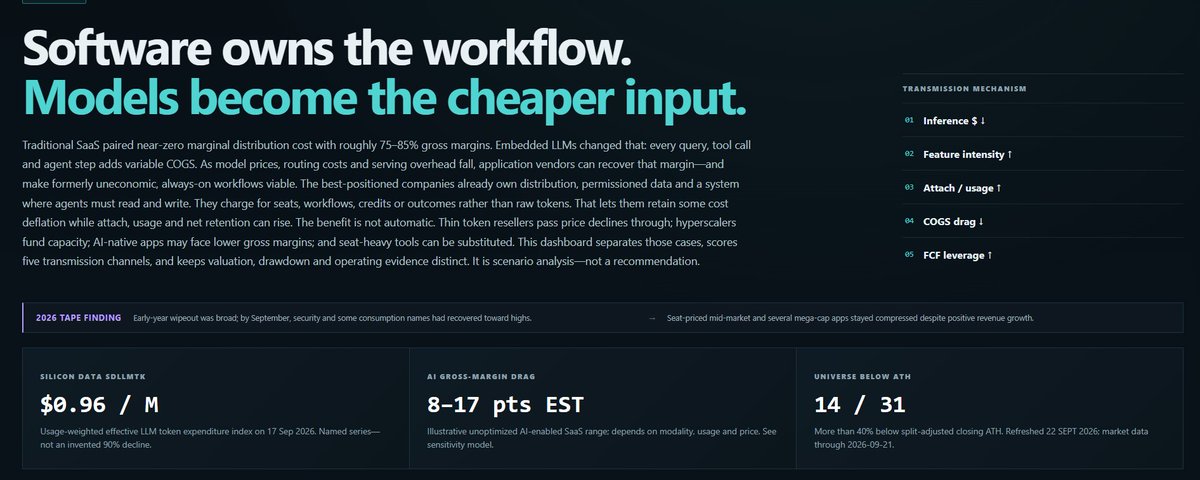
A Research on how AI agents are reshaping the e-commerce stack, creating new control points, monetization layers and autonomous transaction workflows. $SHOP


AmyY retweeted

🚀☀️ DECENTRALIZED CONTENT GENERATION – AI Media Monetization!
1️⃣ Core Strengths Summarized
. AI agents generate images, text, and code paid for on-demand via micro-transfers.
. Intellectual property rights are minted as non-fungible tokens automatically.
. Direct royalty routing transfers earnings instantly to model creators.
. Eliminates middleman publishing platforms and fee extraction.
2️⃣ Final Takeaway
. Empowers AI artists and model creators to retain full earnings from their work.
. Creates a transparent, automated supply chain for digital media creation.
. Accelerates adoption of generative AI tools across decentralized Web3 media.
. Create and monetize AI-generated digital media seamlessly using @BAI_AGI.
3️⃣ In summary, one sentence:
On-demand crypto payments and automated NFT minting turn AI media into liquid digital assets.
@justinsuntron @BAI_AGI #TRONEcoStar

AmyY retweeted

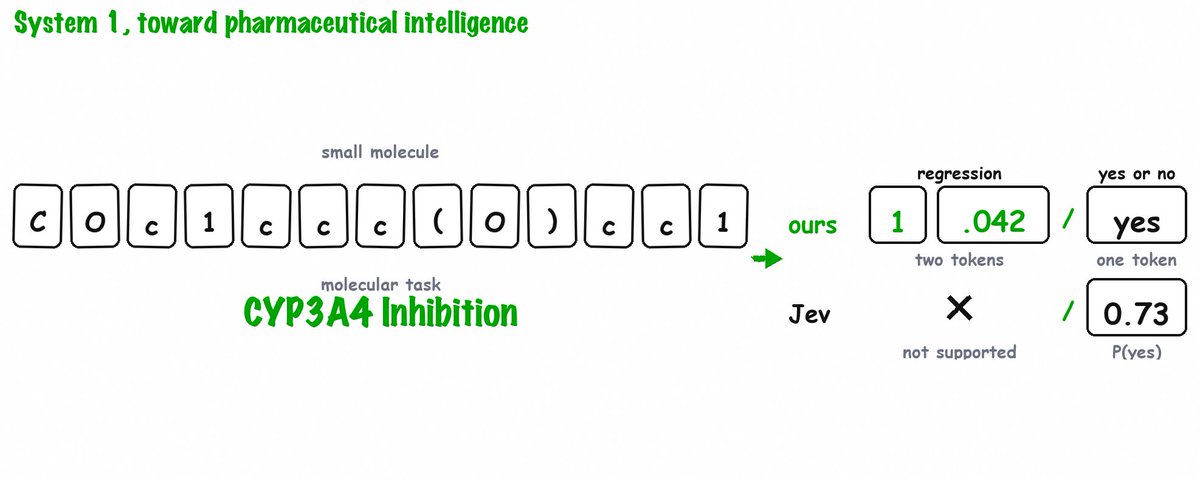
Thought pharma was too complex for Jev-like models? Don't think twice.
A plain-language guide to System 1 in drug discovery: what Jev actually does, why new molecules are the hard part, and how small language models answer, fast and accurately, today.
AmyY retweeted

Harvard researchers found that most people applying to grad school now let AI write their essays. The ones who did got in less often.
The paper is called "AI-written admissions essays are widespread but penalized."
Sharad Goel and Calvin Isley at Harvard, with Johann Gaebler at NYU, got access to 7,462 applications to a large US public policy master's program, six admissions cycles from 2020 to 2025. Five essays per applicant, plus transcripts, test scores, recommendation letters and the admissions decisions. They ran every essay through AI detectors and kept the cases the detectors were confident about.
Before ChatGPT, close to zero essays came back as AI-written. In the 2023 cycle, 22% of applicants had submitted at least one essay that was mostly AI. In 2024 it was 45%. In 2025 it was 56%. Among international applicants it reached 69%.
The program banned this the entire time. Before submitting, applicants signed a statement confirming they had used no prohibited writing help, and from 2023 the statement named generative AI. More than half of them signed it and submitted the essays anyway.
The essays did get better. Grammar, style and clarity improved after ChatGPT arrived, with the biggest gains for international applicants. Responsiveness to the prompt, voice, evidence of leadership and commitment to public service showed small gains at best.
The program admitted applicants with AI-written essays less often than comparable applicants without them, after the authors controlled for more than 400 things about each person, including grades and test scores. Each AI essay cost about 1.5 percentage points of admission probability, and 2.6 points once the authors accounted for the essay's quality. A typical AI user submitted 2.3 of them, which works out to a 3.5 to 6 point hit. The applicants weren't weaker. AI use didn't track test scores.
The authors wanted to know where the penalty came from, so they ran an experiment with five admissions officers. They showed them 100 essays, half human and half AI, matched on the applicant's background. The officers could tell them apart at a rate well above chance, and they marked down any essay they believed was AI-written, even when its measured quality matched a human one.
After the researchers showed the program its results, the program overhauled its admissions process. The paper doesn't say what changed, and the authors dropped the 2025 outcomes from the analysis because their own findings had changed the decisions.
The authors are careful. This is one program, the detectors are tuned to miss cases rather than accuse someone falsely, so 56% is a floor, and the paper hasn't been peer reviewed yet.
I read a lot of AI-written text every day and it took about a paragraph to spot it in 2023. It still does. The tell was never the grammar. A clean essay that sounds like nobody is worse than a rough one that sounds like you.
AI can write a better essay than you but it can't be you.
The people reading it noticed!

AmyY retweeted

this one opus 5 prompt replaced 6 hours of manual google ads research
and the output beats what our team was producing by hand. here is the exact prompt and why the prompt works:
"research the top 5 pain point clusters for [product category] buyers. for each cluster identify: the primary frustration in the buyer's own language, the failed solutions they have tried, the exact phrases they use on reddit, quora, amazon reviews, and niche forums, the emotional state behind the search query, the belief preventing them from solving the problem, and the trigger event moving them from browsing to buying. return as a structured table ranked by estimated search demand"
paste this into opus 5, fill in your product category, and run
what comes back is a complete ICP map with the exact psychological triggers driving purchase decisions in your niche. not demographic data, not "women 25-45 interested in health," the ACTUAL words your buyers use to describe their frustration
for a supplement brand, the prompt returned phrases like "i have tried everything and nothing works" and "i fall asleep fine but wake up at 3am every night"
those phrases become your ad headlines, your advertorial hooks, your shopping titles, and your remarketing copy
buyers do not respond to marketing language. they respond to THEIR language
when your ad says "premium bioavailable collagen peptides," the buyer's brain does not register. when your ad says "my joints stopped clicking after 2 weeks," the buyer's brain says "this is EXACTLY what i want"
the follow-up prompt goes deeper:
"for pain point cluster [highest-ranked cluster], identify: the 3 most common objections about purchasing a solution, the competitor solutions they have tried and why each failed, the 'aha moment' converting previous buyers, and the language gap between how brands describe this product and how buyers describe their need"
this second prompt extracts the conversion triggers, the objections your landing page needs to handle, and the competitor weaknesses your conquesting copy exploits
two prompts, 30 minutes, and you have a deeper understanding of your buyer's psychology than most brands develop in a year of manual research
this is the exact system behind the 21x ROAS account, the $1.4M build, and the 8-figure jewelry brand
the AI does not replace strategic thinking. the AI collapses the production timeline so strategic thinking becomes economically viable at a depth impossible before
and the compound effect is what turns this into a moat. after 12 weeks of running these prompts weekly (updating with fresh search terms, new competitor reviews, new buyer language), your ICP research library contains patterns no competitor replicates without doing the same 12 weeks of work
you learn which pain point clusters convert highest by season, which competitor weaknesses are getting worse, and which search queries spike during cultural moments
two prompts, 30 minutes, and the foundation of every campaign we have built. yours to use right now
amin
(DM me "OPUS" if you want us to run this research system on your brand)
AmyY retweeted

Just my personal opinion here:
Being in real estate and not leveraging SEO or AI Search Optimization in 2026 is like running ads to a business with no landing page.
A huge part of the buying journey now happens before someone ever fills out a form.
Potential clients are researching agents, neighborhoods, pricing, market conditions and buying decisions across Google, ChatGPT, Gemini and Perplexity.
If you want to see where your site stands across ChatGPT, Claude, Google and broader AI search, start here:
seo-stuff.com/free-audit
Google still relies heavily on relevance, useful content, links and broader site quality, while AI systems can also encounter your business through publications, reviews, directories, videos, forums and other third-party sources.
That overlap is what SEO Stuff was built around:
seo-stuff.com/gold-plan-pack…
For real estate professionals, useful authority plays include guest posts on local housing sites, inclusion in relevant local guides, partnerships with lenders or inspectors, local market commentary and original data around housing trends.
The more credible information that exists about you and your market, the easier it is for search and AI systems to understand where you fit.
Positioning matters too.
“Real estate agent in Los Angeles” tells people very little.
“Buyer’s agent specializing in first-time homebuyers in Beverly Hills, Brentwood and Santa Monica” is far more useful.
The more specific you are about who you help, where you work and what you specialize in, the easier it is to match your business to a high-intent search.
Then look at the website itself.
Your site should act as the main source of truth about you and your business.
Keep it fast, mobile-friendly and easy to crawl, use clean URLs and build logical internal links between your services, neighborhoods, buyer and seller resources and contact pages.
At minimum, you want a clear homepage, a strong About page, service or listings pages, detailed neighborhood guides and an easy way to contact or book with you.
Content structure matters too.
AI systems frequently reuse specific passages rather than entire pages, so make the useful information easy to find.
Instead of burying the answer, use headings such as “How much are closing costs in Pasadena?” or “What should first-time buyers know about Burbank?”
Answer directly, then expand with useful context, examples, numbers and local expertise.
Comparison content works well too.
Think “Condo vs. single-family home in Los Angeles,” “Pasadena vs. South Pasadena for families” or “Renting vs. buying in LA in 2026.”
Those are real decisions buyers are trying to make.
Keyword research should follow the same logic.
Look at the full questions buyers and sellers ask before contacting somebody.
Examples might include “how to buy a home in Pasadena with bad credit,” “best neighborhoods in LA for families,” “how much does it cost to sell a house in California” and “what should I know before buying an investment property in Malibu.”
Those searches may have less volume, but the person behind them often has a very specific problem.
You should also stop letting your best social proof disappear inside social feeds.
Turn useful Reels, TikToks, client questions and market commentary into permanent assets such as blog posts, YouTube videos, neighborhood guides, FAQs and newsletter archives.
Video is especially useful for real estate because the product itself is visual.
Create neighborhood walkthroughs, market updates, buyer education and customer stories, then publish clear titles, descriptions and transcripts so the information is easy to understand and discover.
Branded search matters too.
When someone searches your name, you want your own site, profiles, reviews and useful content to make it obvious who you are, where you work and why someone might hire you.
That means maintaining accurate profiles, earning real reviews and publishing content that reinforces your actual expertise.
Finally, make it easy for traffic to turn into a lead.
Use clear calls to action, booking options, buyer or seller guides, email follow-up and simple contact forms.
Someone researching a neighborhood at 10pm should not need to hunt around the site to figure out how to speak with you.
The bigger point is pretty simple.
Real estate buyers and sellers increasingly research before they reach out.
If your competitors are the ones answering their questions across Google and AI search, those competitors are getting introduced earlier in the decision.
Build local authority, publish useful market information, own the questions your customers ask and make your expertise easy to understand.
Or let SEO Stuff handle the content and authority side for you:
seo-stuff.com
And if you want to see where your site stands across ChatGPT, Claude, Google and broader AI search, start here:
seo-stuff.com/free-audit

Now that Fable 5.1 is a standard part of everyone's Claude plan, it's worth remembering something important about it:
Buried inside thousands of lines is one of the clearest explanations we've seen of how Claude decides which websites to search, open, cite and recommend.
It also explains why some businesses repeatedly appear in Claude while others don't.
Let’s go through it.
By the way, you can see whether Claude, ChatGPT, Google AI, Perplexity and Grok are recommending your business here. It’s free:
seo-stuff.com/free-audit
When Claude uses web search, it can access current information and return answers with citations to the sources it retrieved.
For brands, that creates a few priorities.
First, get discovered.
If you want this done for you - SEO Stuff handles it in one click (seo-stuff.com/gold-plan-pack…).
Want to do it yourself? You need pages that map to the ways buyers describe your category, problem, use case and desired outcome. Comparisons, pricing, alternatives, integrations, industry use cases and question-based content give Claude more relevant pages to potentially encounter when it searches.
Second, make the business easy to understand.
Your pages should clearly explain what your company does, who it serves, where it operates, what it offers and the categories and use cases it belongs in.
Third, publish current, source-worthy information.
Fable 5.1’s reliable knowledge cutoff is June 2026. Its published system prompt tells Claude to point users toward web search when information may have been superseded or newer information needs verification.
That makes current pricing, product details, documentation, case studies, research and dated comparisons especially useful.
Fourth, write content Claude can actually cite.
Anthropic’s web-search tooling returns cited sources. Give Claude clear passages answering specific questions:
How much does it cost? Who is it for? What makes it different? What results have customers achieved? What evidence supports the claim?
Think in claim-sized blocks: one question, one direct answer, one supporting fact and one source.
Then build outside validation.
Anthropic does not say backlinks, press or reviews are direct Claude “ranking factors,” but they create additional places where Claude can encounter your brand and independent evidence it can use when researching a company or category.
There is also an important Fable 5.1 wrinkle.
Anthropic says that at low effort, Fable 5.1 is less likely than Fable 5 to call search or retrieval tools and more likely to answer from memory.
So brands need to think about two surfaces: what Claude already knows, and what Claude can discover when it searches.
You cannot change Fable 5.1’s training data retroactively, but you can make your business easier to retrieve, understand, verify and cite today while building the broader footprint future models may learn from.
That is increasingly what AI search optimization looks like: search visibility, entity clarity, fresh evidence, citation-ready content and third-party authority.
Need help with implementation? Try SEO Stuff:
seo-stuff.com
Want to see whether Claude, ChatGPT, Google AI, Perplexity and Grok are recommending your business?
Check here (it's free):
seo-stuff.com/free-audit


