If you dare to venture into this fox's den, I will take you to the edge of our planetary system, into the depths of space, on the path of knowledge.

Mittweida , Saxony
Joined August 2023
Replying to @elonmusk
This is going to be an exciting time! Not only has the Falcon 9 proven to be a brilliant breakthrough, but the Starship could ultimately be the game-changer that ushers in a new era. It marks the beginning of many new possibilities. xitter.cf/PanVulpesV/status/2029…
Eris (136199): The distant dwarf planet as a destination for future space travel Eris, the most massive known dwarf planet in the Kuiper Belt, was discovered in 2005 and, with a diameter of approximately 2,326 km, is almost as large as Pluto but more massive. It orbits the Sun in a highly elliptical orbit with a period of 557 years and an average distance of 68 AU (astronomical units). The surface is extremely cold (-217 to -243 °C) and consists mainly of frozen methane and nitrogen, with evidence of geothermal activity in the interior, as recent observations by the James Webb Telescope have shown. Eris' discovery led to the IAU redefining the term “planet” in 2006, causing Pluto to lose its status. First possible orbiter missions and timelines So far, there are no officially planned missions to Eris, as the extreme distance (currently up to 97 AU) and costs pose enormous challenges. Nevertheless, there are concepts for flyby or orbiter missions inspired by New Horizons (Pluto 2015). With conventional chemical propulsion and gravitational assistance (e.g., Jupiter), a launch around 2032 could enable arrival at Eris around 2051 – a flight time of about 19 years. Advanced propulsion systems such as Direct Fusion Drive (DFD) could shorten the journey to 10 years, with a rendezvous at 78 AU (near perihelion). Realistically, a first mission could launch in the 2040s-2050s, depending on technological developments and funding. Advantages, challenges, and approaches Advantages: A mission to Eris would deepen our understanding of the Kuiper Belt, investigate geological processes (e.g., cryovolcanism), and compare Eris with Pluto to gain insights into the formation of the solar system. In the long term, it could serve as a precursor for interstellar exploration. Challenges: The enormous distance causes flight times of decades, weak communication signals (13+ hours delay), and energy problems, as radioisotope generators (RTGs) lose power over time. High costs and the need for autonomous systems make implementation difficult. Possible solutions: Mini reactors such as NASA's Kilopower (KRUSTY) offer constant power (e.g., 8.5 kWe) without decay, ideal for ion engines and instruments in deep space. They enable shorter journeys and long-term operations. Other approaches include nuclear propulsion (e.g., DFD) and improved RTGs to make Eris reachable as the “ultimate outpost.” Potential applications of AI and autonomous robots Artificial intelligence (AI) and autonomous robots will play a crucial role in future missions to Eris, as the enormous distance (up to 97 AU) causes communication delays of over 13 hours and requires a high degree of autonomy. AI can be used for autonomous navigation to detect obstacles and adjust routes in real time, as demonstrated by current Mars rovers such as Perseverance. Autonomous robots could explore the surface, collect and analyze samples without constant control from Earth – ideal for searching for cryovolcanism or resources such as water ice. Other applications include deep reinforcement learning (DRL) for mission planning, hazard detection (e.g., avoiding hazards such as ice sheets), and in-situ resource utilization (ISRU) to extract fuel from local materials. Swarms of robots could work cooperatively, supported by multi-agent AI, to build habitat structures or process data in real time. Combined with mini-reactors, these technologies enable long-term operations, increase mission safety, and reduce human risk, as proposed in concepts for Kuiper Belt exploration. The exploration of Eris could mark the decisive milestone that transforms humanity from an Earth-bound civilization into a truly multiplanetary, even interstellar species, breaking the boundaries of our solar system and paving the way to the stars. ✨Eris, a tiny dot on the edge of our system.✨ #Eris #DeepSpace #multiplanetary #Future grok.com/imagine/post/f15e74…
5
1
32
7,822
Pan von Thalis retweeted
A cosmic butterfly 🦋 In this shimmering view captured by @NASAHubble, the complexities of the Twin Jet Nebula are seen in striking detail, with lobes of material stretching outward while jets of gas stream from a central star system.
68
1,178
108
5,671
95,419
Pan von Thalis retweeted
We have completed breakover operations for the Neutron Stage 2 tank assembly, rotating the stage horizontal – a critical step in the handling of large rocket sections for integration and assembly. Here’s a last look at Stage 2 on the Neutron Factory floor before it’s wrapped up (literally) for barge shipment to LC-3 on Wallops Island where its fluid systems will be tested and its Archimedes vacuum engine installed.
139
346
83
2,902
168,782
Pan von Thalis retweeted
⏰ October 21, 2026 at 08:45AM CDT 🚨Current Condition: Mostly Cloudy 🌡️Current Temperature: 73°F 💨Wind Speed: 8 MPH 🧭Wind Direction: Northwest 💧Humidity: 91% #WeatherUpdate #Starbase
1
1
29
Pan von Thalis retweeted
We have completed our first design review for our part in NASA's MoonFall mission! For this mission, we'll use our Elytra spacecraft to deploy JPL-built drones above the Moon's south pole. Completing the preliminary design review is a testament to the hard work, ingenuity, and collaboration across our joint teams in just a matter of months. Next step: Critical design review! fireflyspace.com/news/firefl…
13
61
6
523
21,314
素晴らしい夜でした!🌌 澄み渡る夜空の下、H3ロケット10号機( #H3F10 )が #MMX を載せて 、飛び立ちました🚀 今夏は日本に多くの台風が接近・上陸しましたが、 打上げ延期を避けることができたのは本当に幸運でした。 MMX! さあ、次なる挑戦へ! #MMXLIFTOFF #GOODLUCKMMX
5
284
8
1,966
48,939
火星へ向かうMMXを、地上から捉えるラストチャンス! 10月20日にH3ロケット10号機で打ち上げられた、火星衛星探査機「MMX」。地球から少しずつ遠ざかりながら、火星へ向かっています。JPL Horizonsの軌道予報(JAXA提供の軌道データ)をもとに、国内8都市から見える時間をマップにまとめました。 明るさと距離(毎朝4時、予想) ・10/22:約62万km、18.7等 ・10/23:約90万km、19.5等 ・10/25:約147万km、20.5等 ・10/28:約230万km、21.4等 #MMX #火星衛星探査計画 #JAXA
1
99
3
341
13,417
NASA JWST ウェッブ望遠鏡は観測史上最も遠い高速電波バーストFRB 20240304Bの母銀河をとらえ、赤方偏移 z = 2.148 と計測。 観測史上もっとも遠い高速電波バースト(FRB)「FRB 20240304B」です。2024年3月4日に南アフリカの電波望遠鏡 MeerKAT(MeerTRAP チーム)が検出しました。 距離:赤方偏移は z = 2.148 で、ビッグバンから約30億年後に放たれた電波です。これまでに見つかった FRB のほとんどは、これより数十億年あとのものです。 母銀河:星をさかんにつくっている小さな矮小銀河でした。質量は約1,000分の1と小さく、大型の地上望遠鏡でも写りませんでした。これまで分かっている FRB の母銀河は、大質量の星形成銀河が多数を占めます。母銀河は星形成が宇宙で最も活発だった「コズミック・ヌーン」の時代にあり、星の多くはわずか約3,000万年のうちに生まれた可能性があります。 Webb の観測:近赤外線カメラ NIRCam(F200W・F322W)で、バーストの位置にある母銀河を検出しました。 近赤外線分光器 NIRSpec で酸素と水素の輝線をとらえ、赤方偏移を決めました。 起源についての示唆:若い銀河にあることから、超新星のあとに残った若く磁場の非常に強い中性子星(マグネター)の「星震」が有力とされます。この説なら、爆発から間を置かずにバーストが起こりえます。 中性子星どうしの合体は、合体までに数十億年かかり古い銀河で起こるはずなので、「非常に考えにくい」としています。 波及効果:FRB の信号には、途中で通り抜けた物質の情報が残ります。今回も z = 0.3 の未知の銀河団と、おとめ座銀河団を通った痕跡が見つかりました。このため FRB は、目に見えない「宇宙の網(コズミック・ウェブ)」を照らす「宇宙の懐中電灯」として使えます。 MeerKAT で z > 1 の FRB を年に数件、検出して位置まで決められると見込んでいます。 #JWST 画像:NASA, ESA, CSA, STScI, T. Nanayakkara (USYD) science.nasa.gov/missions/we…
5
26
1,125
【種子島打ち上げロケットを都内で観測】なぜ1,000 km 先のロケットが東京から見えたのか!? 打ち上げから約5分半後、まだ暗い南の空に小さな光が現れました。第1段と分かれたばかりの第2段が、高度200 km を超えたところで朝日を浴びていたものです。ズームすると、エンジンの噴射ガスが太陽に照らされ、彗星の尾のように広がって見えました。この光(先行する2段目)に MMX が(既に露出して)搭載されています。 なぜ1,000 km 先のロケットが見えたのか!? 地上ではまだ日の出前でも、高い空には太陽の光が届いています。地球の影の上端(これより上は日が当たる高さ)は、太陽が地平線の下に深く沈んでいるほど高くなります。打ち上げの瞬間、種子島では太陽が地平線の下約22度にあり、真上の影の高さは約520 km。この高さでは第2段が光る余地はありません。 ところが、ロケットは東寄りの空へ飛んでいきます。東へ行くほど夜明けが近いので、影の上端は下がります。計算すると、打ち上げ5分半後(4時46分ごろ)の影の高さは、種子島の真上で約460 km、東南東に600 km 進んだ上空で約250 km、900 km 進んだ上空で約170 km です。JAXA の打上げ計画書では、フェアリング分離が打上げ後3分17秒(高度131 km)、第1段燃焼停止が4分52秒、第2段の1回目の燃焼停止が10分40秒(高度329 km)の予定で、打上げ5分半後の第2段は高度200 km 前後〜それ以上を上昇中だったことになります。ロケットは計画どおり飛行したと発表されているので、第2段がこのあたりで日の当たる高さに出て「暗い空に浮かぶ、日の当たった光の点」になったと考えられ、動画の光が見え始めた時刻とも合います。 東京から見ると、このあたりの上空は南の低い空、仰角10〜15度ほど、距離にして700〜900 km 先です(いずれも飛行方向を仮定した概算)。地球は丸いので、種子島の真上だけを考えると、東京から見えるには高さ約80 km 以上が必要ですが、200 km を超える第2段なら十分に地平線の上に出ます。 詳しい計算結果は以下: note.com/avellsky/n/n6a80b2e… 1,000 km 離れた東京の空で、火星へ向かう探査機を載せた第2段が朝日に光る。そんな瞬間を自分の目とカメラでとらえられたのは、本当にうれしい体験でした。そして2031年、MMX の帰還カプセルは秒速約11.8 km 以下(設計検討の値)で大気圏に突入して、人工流星(火球)になります。今度は分光カメラを構えて、旅の終わりを迎えたいと思います。 #火星 #フォボス #MMX #H3ロケット
1
57
2
243
8,044
Pan von Thalis retweeted
BREAKING: SpaceX just shared this incredible footage of Starship Flight 14.
54
309
15
2,143
62,026
Pan von Thalis retweeted
Schedde chart: @SpaceX F9/FH launches by month 2026 3rd quarter vs avg launches/month that result in 140 total launches for 2026 EOY
1
2
6
1,424
Pan von Thalis retweeted
Elon Musk estimates SpaceX's annual recurring revenue reaching somewhere between $500 billion and $1 trillion by the end of 2027 🤯
17
49
3
267
9,379
Pan von Thalis retweeted
Replying to @SpaceX
Schedde chart: @SpaceX F9/FH launch history calendar 3rd quarter 2026 UTC
2
1
4
77
Pan von Thalis retweeted
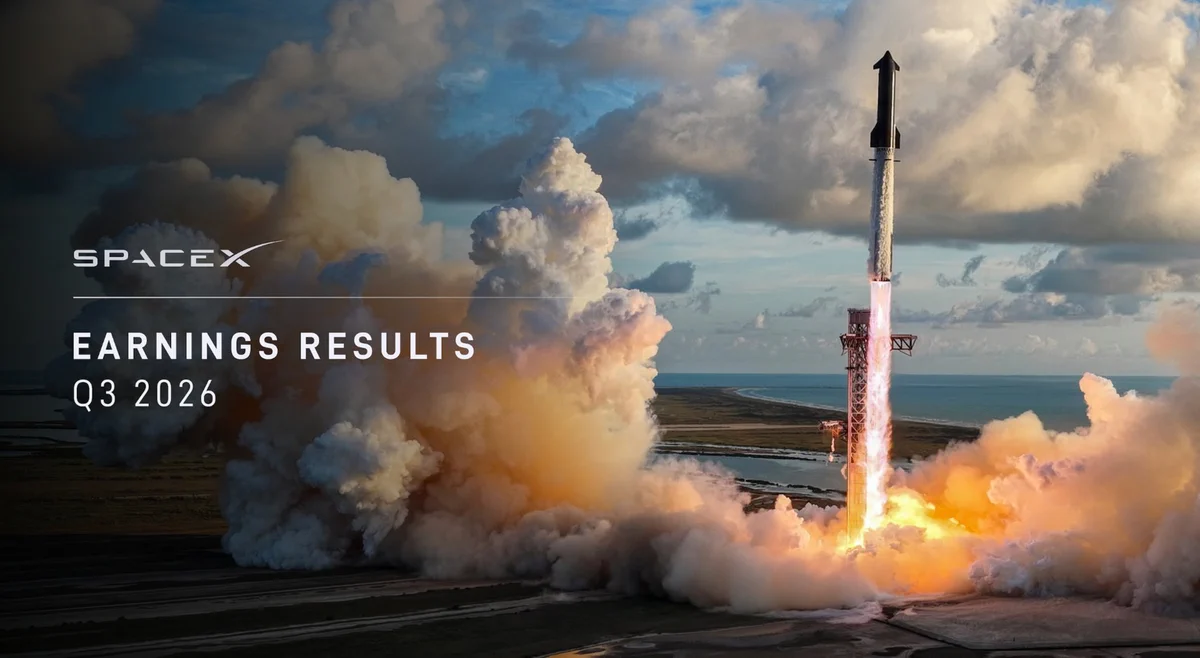
Q3 2026 Financial and Operational Results xitter.cf/i/broadcasts/1PKqrNbLZ…
952
1,824
386
13,821
1,213,634
Pan von Thalis retweeted
There's a lot of ground to cover when you're building a Moon Base. During the first phase of @NASAMoonBase development, robotic rovers will gather new details about the lunar South Pole region, while lunar terrain vehicles will extend the reach of each Artemis mission.
249
554
64
3,735
546,032
Pan von Thalis retweeted
🔎Diligent sleuthing by astronomers has broken open a @NASAHubble cold case! Researchers have uncovered a surprising chemical clue that indicates a white dwarf star may host a second-generation planet. Check out the evidence >> go.nasa.gov/47uaJuY
15
126
1
789
18,547
Pan von Thalis retweeted
U.S. Spacewalk Preview News Conference xitter.cf/i/broadcasts/1jxXgBNWy…
48
134
9
963
1,051,560
⏰ October 20, 2026 at 01:15PM CDT 🚨Current Condition: Sunny 🌡️Current Temperature: 81°F 💨Wind Speed: 14 MPH 🧭Wind Direction: Northeast 💧Humidity: 56% #WeatherUpdate #Starbase
1
1
9
Pan von Thalis retweeted
Watch live as SpaceX discusses our Q3 2026 earnings at 3:30pm CT today → xitter.cf/i/broadcasts/1PKqrNbLZ…
571
978
204
6,778
2,921,905
Pan von Thalis retweeted
Replying to @SpaceX
Schedde chart: This morning’s @SpaceX F9 booster 1085 launch chronology with missions UTC
1
3
881
Pan von Thalis retweeted
Falcon 9 launches the Bandwagon-5 rideshare mission to orbit from Florida
291
669
73
5,905
414,540