

Crypto Enthusiast • Web3 Guy • Defi • AI • RWA • Gamefi • Multichain Analysis • Marketing Strategist • NFA • Threador 🧵🦅
space
Joined November 2010
- Tweets24.3K
- Following2.7K
- Followers21.1K
- Likes39.1K





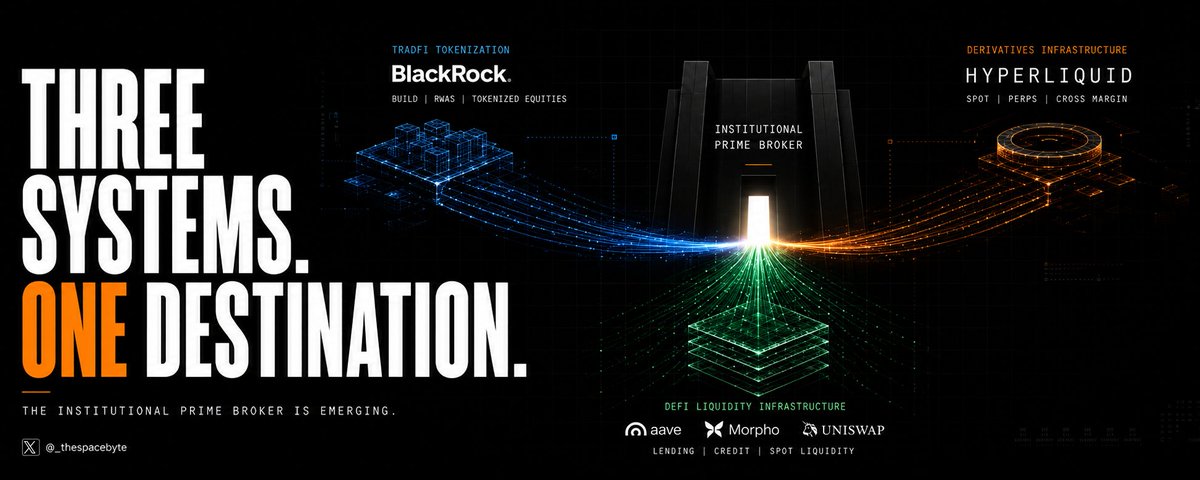
The key metric is whether revenue growth consistently outpaces the emissions needed to incentivize LPs. If that holds while tokenized equity volume persists beyond launch hype, the flywheel has a stronger foundation.
The distinction between quantum-resistant security and privacy is crucial. A network can protect signatures from quantum attacks while exposing every transaction, so evaluating each cryptographic layer separately matters.
The key point is that correlations can change when investors need liquidity. An asset can lag during a rally and still get sold aggressively in a downturn if holders need cash or face margin calls.
The key difference is what each makes private: Zama protects onchain computation, Nillion focuses on private data storage and compute, while Primus verifies offchain data. The strongest fit depends on the problem a developer needs to solve.
The real unlock is composability: tokenized assets becoming usable as collateral across DeFi, not just tradable representations. But redemption rights and liquidity under stress will determine how useful these integrations actually are.
spacebyte ⛓ retweeted

🚪 The RWA narrative is getting more interesting beyond the usual big names.
What stands out to me is the infrastructure being built around tokenized assets, not just the assets themselves.
@3f_xyz is exploring leveraged RWA exposure through Morpho, while @metaplex is working on permissioned token standards that could make institutional adoption easier.
On Solana, @DGLD_Official is bringing gold exposure onchain, and Robinhood Chain is attracting more experiments around tokenized equities and lending.
Still, not every RWA project deserves attention. Audits, liquidity, holder concentration, and actual usage matter more than the narrative.
The next phase of RWAs should be about making tokenized assets genuinely useful across DeFi, not just putting traditional assets onchain.
NFA, DYOR.

The balance between confidentiality and verifiability is crucial for institutional adoption. The challenge is proving claims like reserves or solvency without revealing positions, while ensuring the proofs remain independently verifiable.
Trading borrowing rates directly adds a different angle to DeFi markets. The key is whether the settlement benchmark reflects actual borrowing conditions, since rate volatility can make short-term calls tricky.

The monthly updates with photos and actual costs are important. If the rescue wallet’s spending stays transparent, the community can track whether the mission translates into real help for animals.
The explorer visibility is a useful detail because developers can inspect what actually happens under the hood. Atomic composability is powerful, but making cross-environment execution transparent is just as important for debugging and trust.
The revenue model is a useful signal because it ties earnings to completed jobs rather than deposits sitting idle. The bigger test is whether repeat demand grows while keeping disputes and failed deliveries low.
The real test is whether developers can build apps that use Solana’s native programs without adding complexity or security assumptions. Shared state is useful, but composability is what could make this architecture matter.
GM! 🙌 Amazing starts with showing up, staying consistent, and supporting each other. Let’s make today count!
The deposit tiers make the bonus look attractive, but the key detail is the trading volume or conditions required to withdraw and use those rewards. A bonus is only valuable if the terms work for the trader.
The sell-versus-hold decision only works if players have a reason to reinvest after cashing out. I’d look at whether $DEAL has lasting utility in the economy or mainly serves as a short-term reward.
Atomic composability is the bigger unlock here. If Solidity apps can call Solana programs in the same transaction, developers can combine liquidity and functionality without introducing a separate bridge dependency.
Having the team actually read submissions makes the application more meaningful than a simple wallet-based whitelist. The stories people share could make this Genesis drop feel personal.